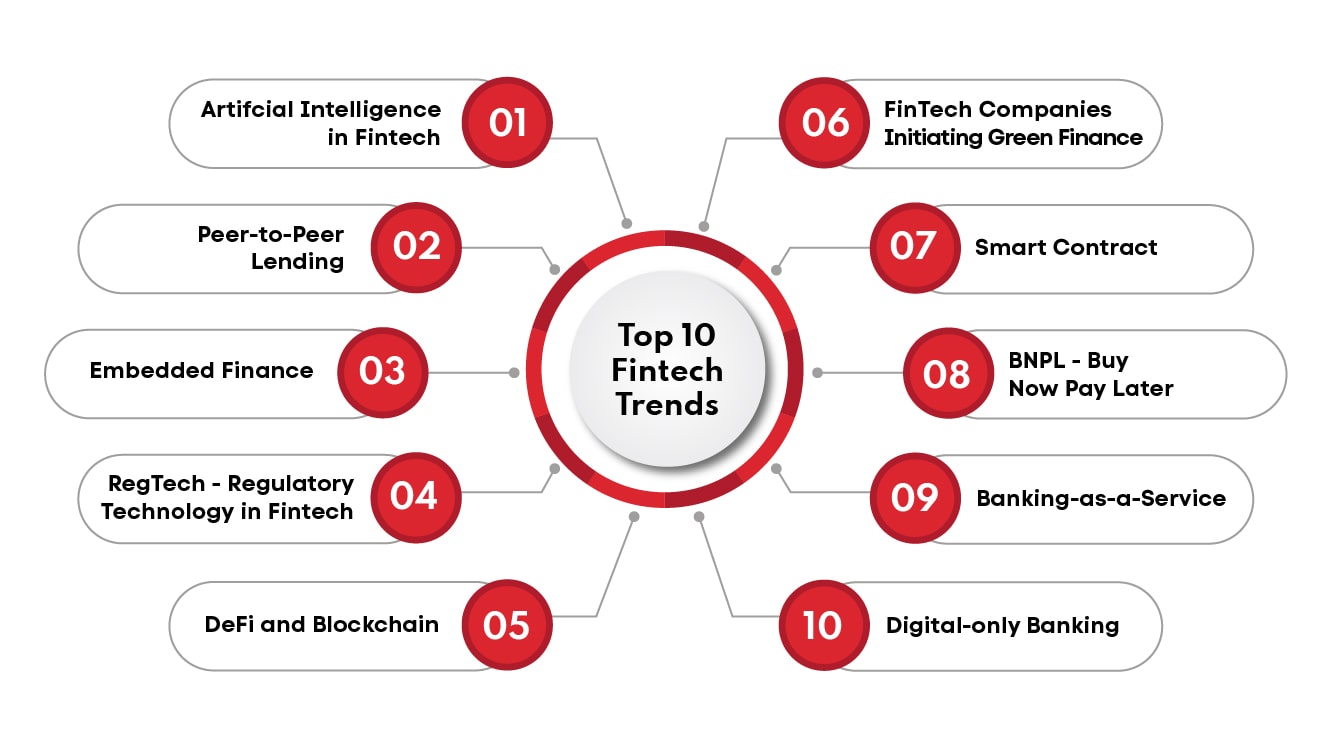



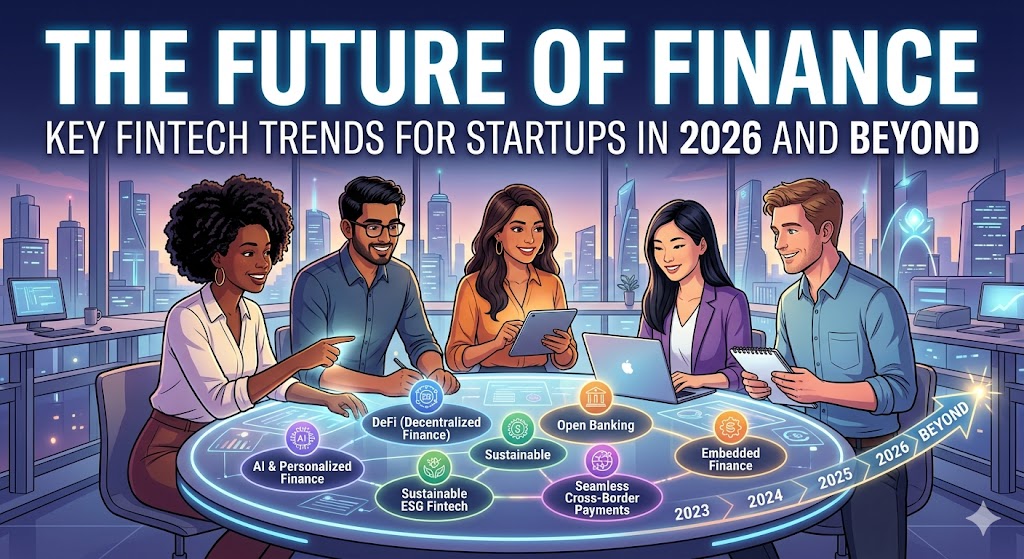
The financial landscape is being reshaped by powerful technological forces like APIs, AI, and blockchain, creating unprecedented startup opportunities. For founders, understanding the most impactful financial technology innovations is crucial for identifying a market gap and building a competitive edge. This guide breaks down the key fintech trends for startups, highlighting the specific opportunities and challenges within each domain to help you navigate the future of finance.
1. Embedded Finance: Integrating Financial Services Everywhere
Embedded Finance is the seamless integration of financial services, like lending or insurance, directly into the user experience of non-financial businesses. Instead of going to a separate website for a loan, a customer gets an instant financing offer on an e-commerce checkout page. This trend moves financial products from standalone destinations to the consumer's exact point of need.
- Startup Opportunity: Develop API-first platforms that enable specific industries (e.g., vertical SaaS for construction, retail, or healthcare) to easily embed financial products. A startup could build a REST API that lets B2B marketplaces offer "buy now, pay later" (BNPL) options for large purchases.
The marketplace integrates a simple code snippet, and the startup handles the underwriting and payment flow in the background, taking a percentage of each transaction.
- Pros:
- High potential for scalability by leveraging partners' existing customer bases.
- Creates stickier products and higher customer lifetime value for host platforms.
- Lower customer acquisition costs compared to direct-to-consumer fintech.
- Cons:
- Success is heavily dependent on the partner platform's user engagement and sales volume.
- Navigating complex partnership agreements and revenue-sharing models can be challenging.
- Regulatory compliance can be intricate, as it often involves multiple licensed parties.
2. Banking as a Service (BaaS) & Open Banking: The API-Driven Foundation
If Embedded Finance is the feature, BaaS and Open Banking are the foundational plumbing. Open Banking provides third-party developers with programmatic access to bank data via secure APIs (with user consent). Banking as a Service (BaaS) takes it a step further, enabling nearly any company to offer core banking products like branded debit cards, deposit accounts, and lending by building on top of a licensed bank's infrastructure.
- Startup Opportunity: Build hyper-personalized financial management tools using data aggregators to create a holistic view of a user's finances. Another path is creating niche Neobanks for underserved communities (e.g., gig economy workers, freelance creators, or recent immigrants) who are overlooked by traditional banking.
- Pros:
- Significantly lowers the barrier to entry for launching financial products, avoiding the years and millions required for a banking license.
- Enables rapid prototyping and iteration of financial concepts.
- Access to rich, permissioned customer data allows for the creation of innovative and personalized services.
- Cons:
- Heavy reliance on the reliability and security of partner banks' APIs. If their infrastructure has downtime, so does your product.
- Intense competition in an increasingly crowded market of BaaS-enabled companies.
- Data privacy and security are paramount, with strict adherence to regulations like GDPR and CCPA being non-negotiable.
3. Artificial Intelligence: The Brains Behind Next-Gen Fintech
Artificial Intelligence (AI) and machine learning are no longer just for back-office automation; they are core product differentiators. AI models analyze vast datasets to power everything from real-time fraud prevention to automated financial advisors, making smarter, faster decisions than previously possible.
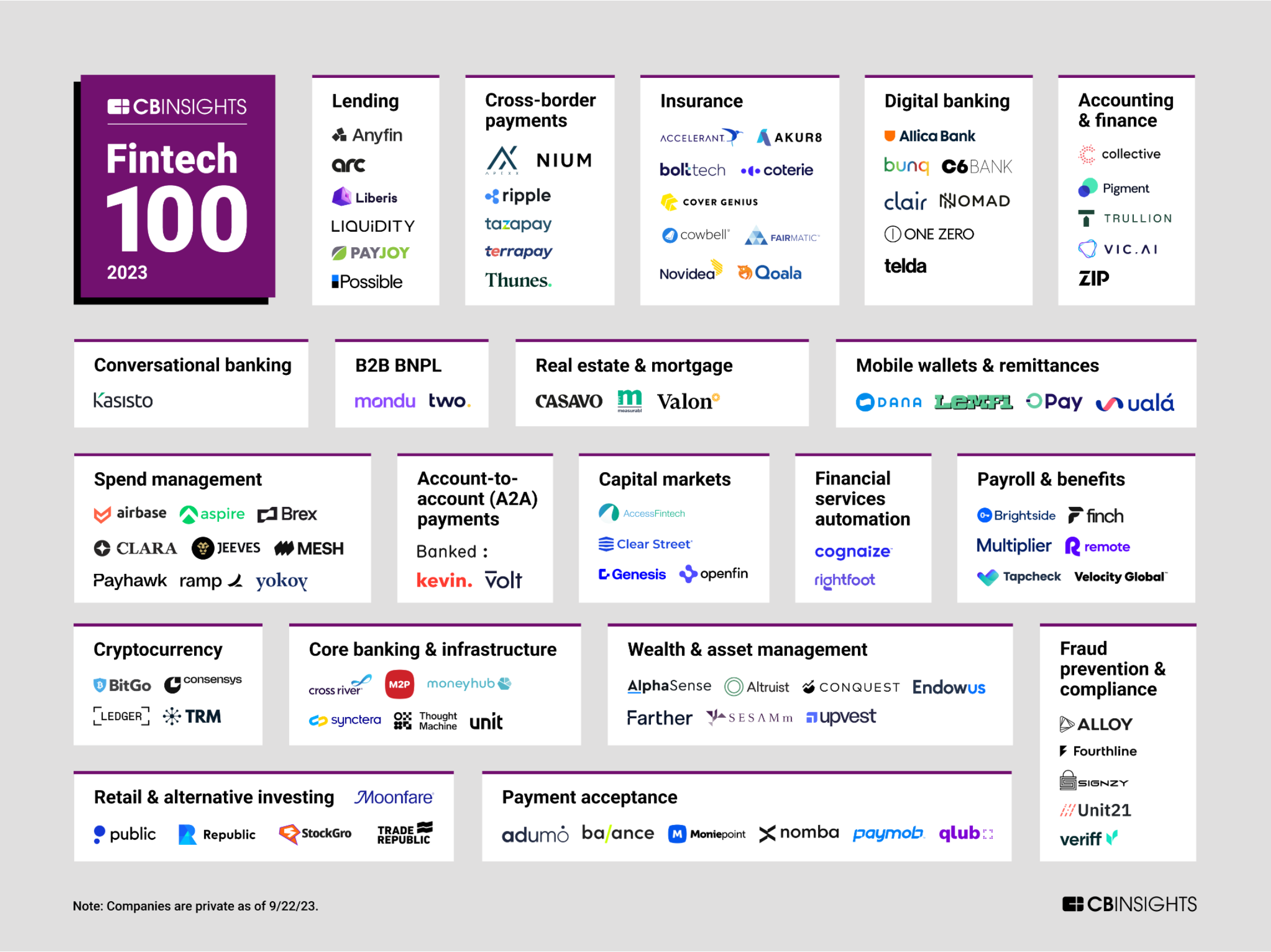
- Startup Opportunity: Create AI-driven RegTech solutions to automate compliance monitoring. Build advanced Lending Technology that uses alternative data—like a business's real-time cash flow from bank accounts—for underwriting, offering a more accurate risk profile than a static credit score. Develop sophisticated Fraud Prevention Technology that uses behavioral biometrics to identify account takeover threats in real-time.
- Pros:
- Ability to process massive, unstructured datasets to uncover insights and automate complex decisions.
- Creates a strong competitive moat based on proprietary models and data.
- Improves operational efficiency and dramatically reduces human error in areas like compliance and underwriting.
- Cons:
- Requires access to large, high-quality, and often expensive datasets for training effective models.
- High cost of specialized AI talent and computing infrastructure.
- Risk of algorithmic bias and a growing regulatory demand for transparent, "explainable AI."
4. Digital Assets & Tokenization: Creating Liquid, Programmable Value
Beyond the speculation of cryptocurrencies, the underlying Blockchain Technology enables two transformative trends: Tokenization (representing ownership of real-world assets digitally) and the use of Stablecoins for efficient settlement. This means you can turn illiquid assets—like a fraction of a commercial building or a stake in a private fund—into a digital token that can be traded globally with near-instant settlement.
- Startup Opportunity: Build platforms for issuing and trading tokenized assets, creating a secondary market where an early investor could sell their private equity stake without waiting for an IPO. Another area is developing a Payments Infrastructure that uses Stablecoins for instant, low-cost Cross-Border Payments, bypassing the slow and expensive correspondent banking system.
- Pros:
- Unlocks liquidity for traditionally illiquid assets, from real estate to venture capital.
- Enables fractional ownership, democratizing access to asset classes previously reserved for institutional investors.
- Offers faster, more transparent, and programmable transactions via smart contracts that can automate dividends or compliance checks.
- Cons:
- The regulatory landscape for Digital Assets is still evolving and varies significantly by jurisdiction.
- Building trust and educating the market about the technology remains a significant hurdle.
- Technical complexity and security vulnerabilities associated with blockchain require deep expertise to manage.
5. Next-Generation Payments: The Push for Real-Time and Borderless Transactions
The expectation of "money moving at the speed of the internet" is now standard. This demand is driving innovation in Real-Time Payments (RTP) networks, as well as Alternative Payment Systems that bypass traditional rails entirely.
- Startup Opportunity: Develop B2B Fintech solutions that leverage RTP for instant invoice payments and dynamic cash flow management. A major opportunity lies in creating platforms that simplify Cross-Border Payments for SMBs and freelancers, bypassing traditional SWIFT fees to offer better FX rates and faster settlement.
- Pros:
- Solves a universal and significant pain point for both consumers and businesses.
- Enormous market with high transaction volumes ripe for disruption.
- A clear value proposition based on speed, cost-efficiency, and user convenience.
- Cons:
- Requires navigating a complex web of global payment regulations, licenses, and network rules.
- Fierce competition from established giants (Visa, Mastercard) and well-funded scale-ups (Stripe, Wise).
- Building and maintaining a resilient, secure, and globally connected Payments Infrastructure is capital-intensive.
6. Vertical B2B Fintech: Tailoring Finance to Niche Industries
Instead of building one-size-fits-all tools, this trend focuses on creating highly specialized financial software for specific industries like agriculture, healthcare, or logistics. General accounting software doesn't understand the unique payment terms of a construction project or the specific billing codes in healthcare—vertical fintech does.
- Startup Opportunity: Build an all-in-one financial operating system for a specific vertical. Integrate payments, lending, card issuing, and expense management designed around an industry's unique workflows. For example, a platform for independent film production companies that handles union payroll rules, project-based budgeting, and residuals.
- Pros:
- Deep workflow integration makes the product incredibly "sticky" and hard to replace.
- Creates a clear go-to-market strategy by targeting industry-specific communities, associations, and events.
- Less direct competition from large, horizontal fintech players who cannot match the niche expertise.
- Cons:
- The total addressable market for a single vertical may be limited, which can affect venture scale.
- Requires deep domain expertise to understand the industry's specific financial needs.
- Scaling to other verticals may require a significant product re-architecture rather than a simple expansion.