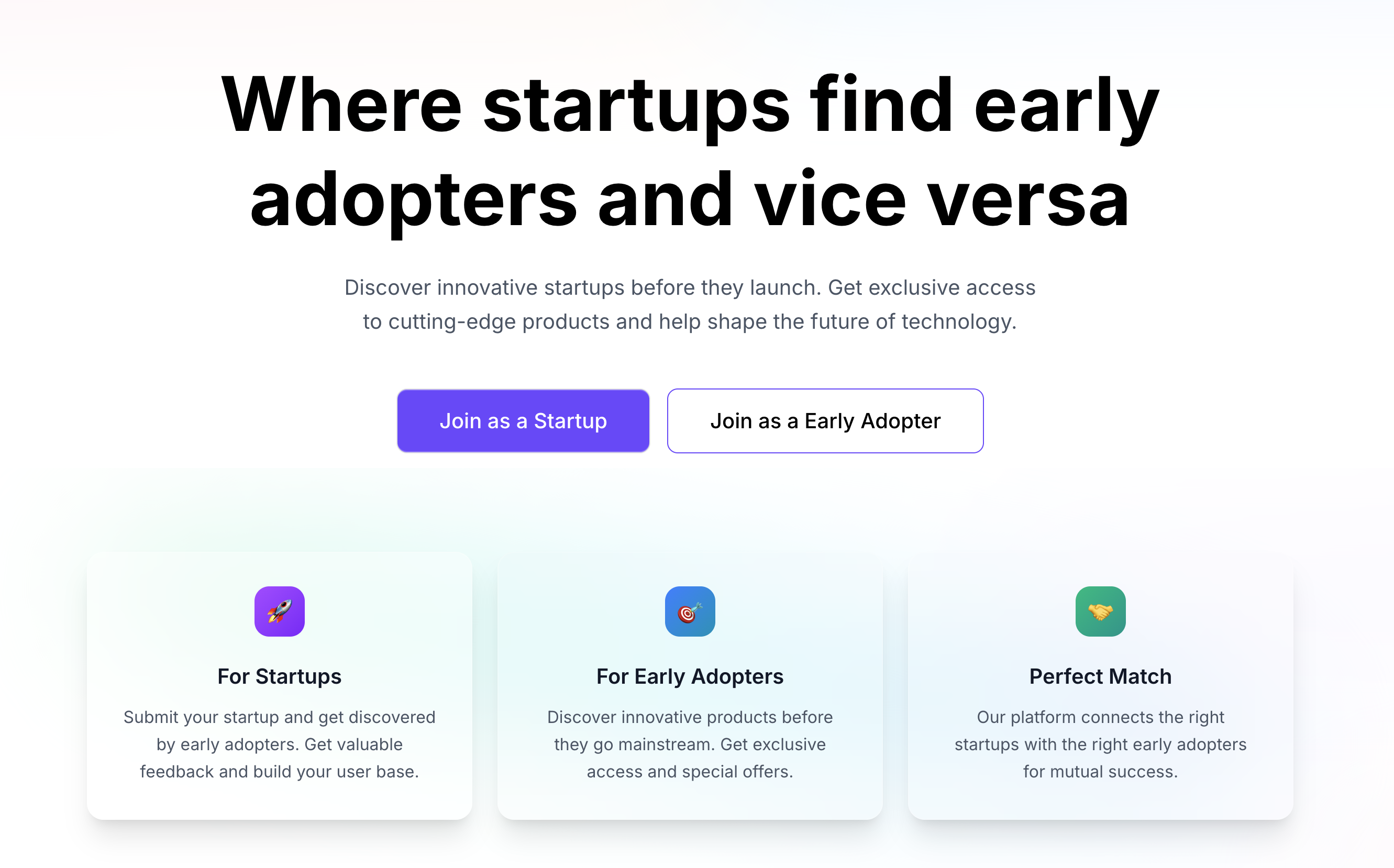





Discovering innovative startups before they become mainstream is a powerful skill, offering a significant competitive advantage to investors, job seekers, and early adopters. These nascent companies are often defined by their disruptive technology, a novel business model, or a unique solution to a long-standing problem. Identifying them in their pre-launch, stealth, or early stages requires a specific playbook.
What Defines an "Innovative" Startup?
The official definition of a startup is the early stage in an enterprise's life cycle where the founder moves from an idea to securing financing and initiating operations. An innovative startup takes this a step further by challenging the status quo. Instead of merely entering a market, they aim to redefine it.
Key Identifiers of Innovation:
- Technological Breakthroughs: These startups leverage cutting-edge technology in novel ways. This could involve applying Generative AI to automate creative workflows or developing new biotech solutions. For example, Desktop Metal brought metal 3D printing to small and medium-sized companies, a technology previously accessible only to large corporations.
- Business Model Disruption: Innovation is not always about technology; it can be about process. These startups change how an industry operates. Canva, for instance, disrupted graphic design by offering a simple, drag-and-drop tool on a freemium model, making design accessible to everyone.
- Untapped Niche: Some of the most successful startups begin by addressing a highly specific, underserved audience. They identify a pain point that larger companies have ignored and build a product that solves it perfectly, creating a loyal initial user base.
- Founder-Market Fit: The team behind the startup is a critical indicator. An innovative startup is often led by a team with deep, demonstrable expertise in the problem space—for example, a doctor founding a HealthTech company. Their professional history gives them unique insights that others lack.
The Modern Playbook: How to Find Tomorrow's Breakout Companies
Finding the next big thing requires a proactive, multi-channel approach. Relying on mainstream news means you're already behind.
The key is to monitor the sources where new ideas are born, vetted, and funded.
Strategy 1: Actively Monitor Startup Launch Platforms
Dedicated websites that feature new tech products are the front lines of startup discovery. This is where founders go to get their first users, feedback, and market validation.
- How to Use Them: Build a routine. Spend 15 minutes each morning reviewing the top products on a site like Product Hunt. Filter by categories like "SaaS," "Fintech," or "Productivity" to align with your interests.
- Engage with the Community: The comment sections on these platforms are invaluable. Read what early users, other founders, and investors are saying to gauge a product's true potential.
Strategy 2: Follow Incubator and Accelerator Demo Days
Top-tier accelerators are highly effective filters for high-potential startups. Companies that make it into programs like Y Combinator or Techstars have already undergone a rigorous vetting process.
- Monitor Demo Days: These events are the culmination of an accelerator program where startups present to investors and the public. Monitor accelerator websites for these announcements and review the published lists of their graduating companies.
- Look Beyond Silicon Valley: Powerful innovation ecosystems thrive globally. A prime example is the Research Triangle in North Carolina, which benefits from the talent pipelines of Duke University, UNC-Chapel Hill, and NC State University, fueling ventures in the renowned Research Triangle Park (RTP).
Strategy 3: Track Venture Capital and Angel Investor Portfolios
Following the "smart money" is a classic strategy for a reason. Reputable venture capital (VC) firms have teams dedicated to sourcing the most promising startups. When they invest, it's a powerful vote of confidence.
- Follow on Social Media: Many investors and VC firms (like a16z) are active on platforms like X (formerly Twitter) and LinkedIn. They often announce new investments, providing a curated list of startups they believe will succeed.
- Use Funding Databases: Platforms that track investment rounds are essential. You can use them to see which companies are receiving seed funding, revealing which industries and technologies are attracting capital.

Source: b-plannow.com
Strategy 4: Dive into Niche Communities and Forums
The most passionate early adopters congregate in specialized online communities. These are often the first places founders share a project to get honest feedback before a formal launch. Look for recurring threads like "Show and Tell," "Feedback Friday," or "Show HN" on Hacker News, where founders post their new projects.
Strategy 5: Follow Niche Tech Media and Newsletters
While mainstream news can be slow, specialized tech media and industry-specific newsletters are goldmines for discovery. They provide deep analysis and often break stories on startups that are still under the radar. Look for publications that focus on your industry of interest (e.g., AI, Fintech, BioTech) to get curated news and insights directly in your inbox.
Top Platforms and Directories for Startup Discovery
Having the right toolkit is essential. The following platforms serve different needs, from daily inspiration to in-depth financial research.
For Daily Launches and Pre-Launch Buzz
- Product Hunt: The go-to destination for daily technology product launches, featuring a community-driven voting system.
- BetaList: For those who want to get in even earlier, BetaList features pre-launch startups that are not yet public and are seeking their first beta users.
- Hacker News "Show HN": A raw, unfiltered look at new technology where developers and founders showcase their new projects to a technical community.