




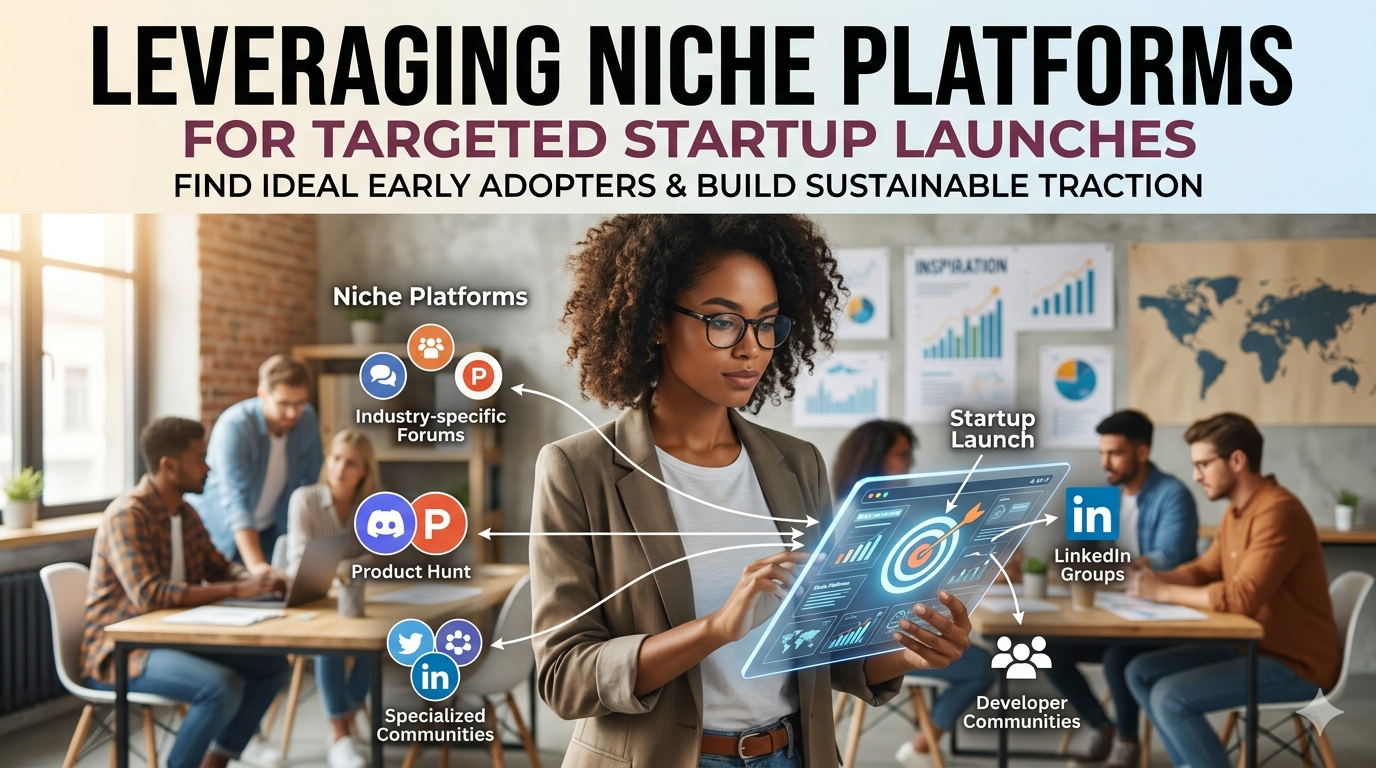
Launching a new product can feel like shouting into a hurricane. A big debut on a mainstream site might create a short-lived traffic spike, but what happens when the hype dies down? For most startups, the answer is a return to silence. The truth is, the right 100 users from a targeted community are far more valuable than 10,000 casual visitors.
This is where niche startup launch platforms come in. These are the curated spaces and focused communities where you can connect directly with your ideal customers—the people who will give you high-quality feedback, become your first champions, and build the foundation for real traction. This guide will help you skip the noise and find the perfect stage for your launch.
Niche vs. Mainstream Launch Platforms: A Strategic Comparison
Choosing a niche platform isn't about thinking small; it's about launching smart. It's the difference between being the main event at a specialized conference versus having a small booth at a massive trade show. One offers targeted engagement, the other offers broad exposure. Neither is inherently better, but the choice has significant strategic implications.
| Aspect | Niche Platforms (e.g., Tiny Startups, Dev.to) | Mainstream Platforms (e.g., Product Hunt) |
|---|---|---|
| Audience | Highly specific, pre-qualified users who understand your domain. | Broad mix of tech enthusiasts, investors, and general users. |
| Feedback Quality | Detailed, actionable insights from potential power users. | Often generic ("looks cool!") or high-level feedback. |
| Visibility | Easier to stand out, rank highly, and get featured. | Extremely competitive; easy to get lost in the volume of launches. |
| Conversion Rate | Typically higher, as traffic is more relevant and intentional. | Lower, due to a less targeted audience and "window shopping" behavior. |
| Community | Fosters genuine connections and helps build a core user base. | More transactional, focused on a single day's launch performance. |
| SEO Impact | Generates authoritative, topically relevant backlinks. | Provides a powerful, but less topically focused, backlink. |
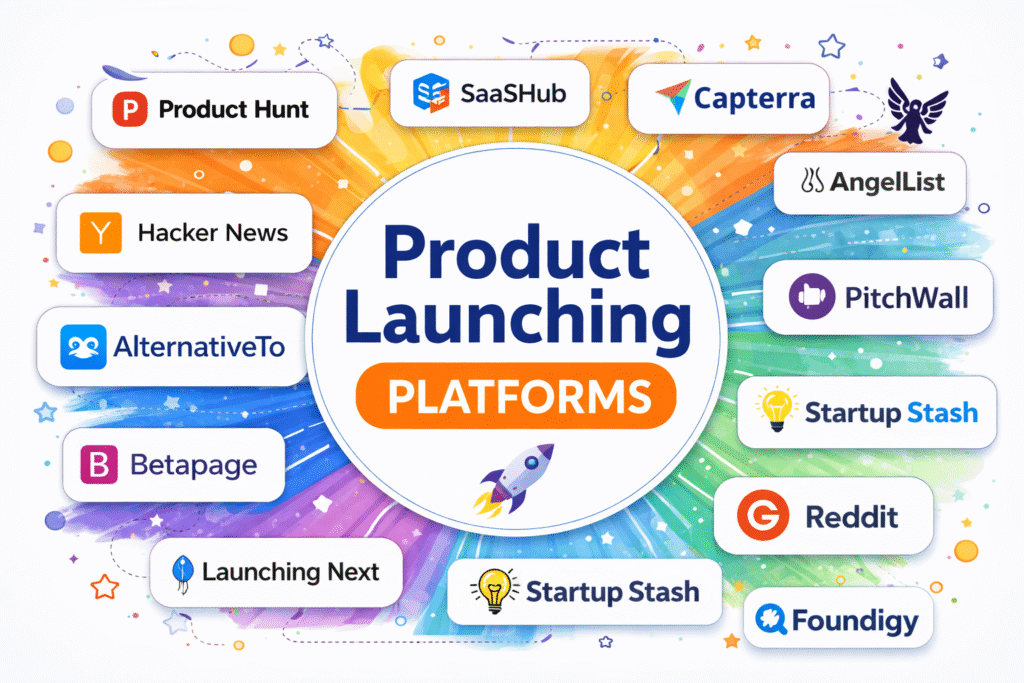
Source: foundigy.com
Top Niche Launch Platforms by Category
Choosing the right platform depends entirely on your product and who you're trying to reach. Here are some of the best, broken down by their core audience.
For Indie Hackers & Bootstrappers
These platforms are built by and for the solo founder and small team community.
- Indie Hackers: A cornerstone community for bootstrapped founders. Share your product in the "Products" section and post a milestone to get feedback. The launchpad is your story.
- Best For: Gaining feedback from fellow bootstrappers, sharing your journey, and finding early users.
- Pro Tip: Don't just drop a link. Write a detailed post about the problem you solved, your revenue milestones, or a lesson you learned. Authenticity wins here.
- Tiny Startups: Designed specifically for projects from bootstrappers and small teams. A community voting system helps the best "tiny" products gain visibility.
- Best For: Micro-SaaS, side projects, and developer tools.
- Pro Tip: The daily and weekly leaderboards give your product multiple chances for exposure beyond a single launch day.
For B2B & SaaS Startups
These sites cater to businesses and professionals actively looking for software solutions.
- SaaSHub: An independent software marketplace where your product is listed alongside established competitors, giving you direct visibility to users in a buying mindset.
- Best For: B2B SaaS, API services, and vertical software.
- Pro Tip: Fill out your profile completely with alternatives, features, and integrations to maximize visibility in their comparison engine.
- Capterra / G2: While more of a review directory, getting listed early is a crucial launch step. Many B2B buyers start their research here.
- Best For: Validating your product with social proof and capturing high-intent leads.
- Pro Tip: Encourage your first handful of happy users to leave an honest review to kickstart your presence.
For Developer-First Products
Launch where your technical users already live and work.
- Dev.to: A central hub for developers. The best launch is a value-driven article that teaches something and introduces your tool as the solution (e.g., "How I Built X to Solve Y").
- Best For: APIs, open-source projects, and developer productivity tools.
- Pro Tip: Use the
#showdevtag for visibility and be prepared to answer deep technical questions in the comments. - Hacker News (Show HN): A rite of passage for many technical products. A successful "Show HN" can drive significant traffic and attract technically-savvy early adopters.
- Best For: Tools with a strong technical hook, open-source projects, and innovative B2B software.
- Pro Tip: Follow the rules precisely. The title must start with "Show HN:". Be present all day to answer every comment personally.
For AI & Machine Learning Products
These platforms cater to the rapidly growing audience looking for AI-powered tools.