




April 29, 2026
5 min read
Team

Healthcare & Biotech Startups: Pioneering Medical Innovations

Explore the dynamic world of healthcare biotech startups. Discover pioneering medical innovations in AI, gene editing, and personalized medicine driving the future of care.

startupBioTech
Share this article:
Healthcare & Biotech Startups: Pioneering Medical Innovations

The world of healthcare biotech startups is a dynamic frontier of medical innovation. These companies are pioneering breakthroughs in personalized medicine, AI-driven drug discovery, and digital health, fundamentally reshaping diagnostics, treatment, and patient care.

This guide provides a comprehensive overview of the landscape, highlights key players, and offers a framework for discovering and evaluating the most promising ventures in the sector.

Featured: Top Healthcare Biotech Startups to Watch

Our interactive platform provides a constantly updated list, but here is a snapshot of the types of pioneering companies defining the future of medicine.
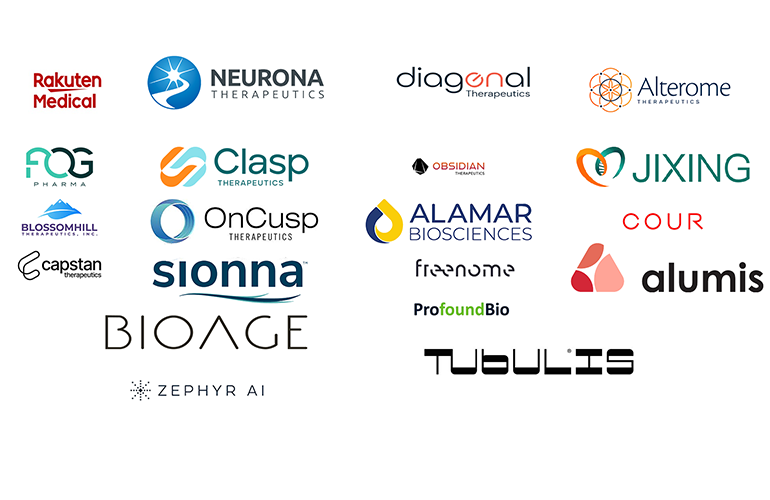
Logos of leading healthcare and biotech startups

Benchling

  • Focus: R&D Cloud Platform for Biotech
  • What They Do: Benchling provides a unified SaaS platform that helps scientists in life science R&D collaborate, track experiments, and manage complex data streams. It replaces outdated paper notebooks and fragmented software.
  • Key Innovation: A centralized "source of truth" for biotech accelerating discovery timelines and improving data integrity.
  • Notable Investor: Y Combinator

Freenome

  • Focus: Early Cancer Detection
  • What They Do: Freenome is developing non-invasive blood tests for early cancer screening using a multiomics platform that combines machine learning with analysis of tumor and non-tumor signals.
  • Key Innovation: Detecting cancer in its earliest, most treatable stages through a simple blood draw.
  • Notable Investor: Andreessen Horowitz

NewLimit

  • Focus: Epigenetic Reprogramming & Longevity
  • What They Do: NewLimit aims to develop therapies that target the drivers of aging by reprogramming cells epigenetically, potentially restoring youthful function to old cells.
  • Key Innovation: A novel therapeutic approach focused on reversing age-related disease rather than just managing symptoms.
  • Notable Investor: Founders Fund

Vivodyne

  • Focus: AI-Powered Preclinical Testing
  • What They Do: Vivodyne uses lab-grown human tissues, robotics, and AI to automate preclinical drug testing. This allows researchers to see how drugs affect realistic human biology at scale before human trials.
  • Key Innovation: Generating more accurate preclinical data to reduce the high failure rate of drugs in clinical trials.
  • Notable Investor: Khosla Ventures

The Ultimate Healthcare & Biotech Startup Discovery Tool

To go deeper, our free, interactive database is a specialized discovery platform for investors, founders, and analysts to track the most promising healthcare biotech startups globally.

How to Use the Startup Explorer

  • Step 1: Define Your Niche: Select from key focus areas like AI Drug Discovery, Oncology Therapeutics, Digital Health, Medical Devices, or Genomics.
  • Step 2: Apply Smart Filters: Narrow your search by funding stage (Seed, Series A, etc.), geographic location, key investors, and specific technologies.
  • Step 3: Dive into Profiles: Access detailed profiles on each startup, including their mission, funding history, leadership team, and clinical trial phase.
  • Step 4: Create & Track Watchlists: Save startups of interest to a personal watchlist to monitor their progress, hiring trends, and funding announcements.

Market Analysis: Trends Shaping Healthcare Biotech

The biotech landscape is being reshaped by several powerful technological and market trends. Understanding these shifts is crucial for identifying companies with high growth potential.

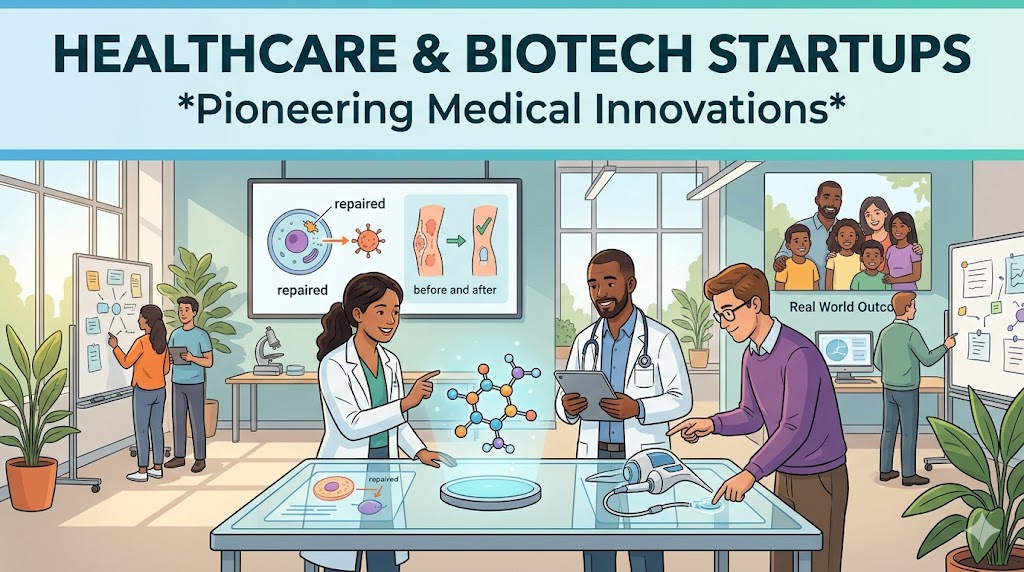
An illustration showing the intersection of AI and biotechnology

  • Artificial Intelligence in Drug Discovery: AI and machine learning are no longer buzzwords but core components of modern biotech. Clarity search AI can predict protein structures, identify novel drug targets, and design molecules, dramatically reducing the time and cost of R&D.
  • The Rise of Platform Companies: Instead of focusing on a single drug for a single disease, many successful startups are building technology platforms (e.g., mRNA, CRISPR, multiomics) that can generate a pipeline of multiple therapies across different diseases.
  • Personalized & Precision Medicine: Driven by advances in genomics and diagnostics, startups are moving away from one-size-fits-all treatments. They are developing therapies tailored to a patient's specific genetic makeup, lifestyle, and environment.
  • Cell and Gene Therapies: Companies are engineering cells (like CAR-T) and using gene-editing tools (like CRISPR-Cas9) to develop potentially curative treatments for cancers and rare genetic disorders.

Differentiating Between Healthcare Technology Startups

While they all fall under "health tech," startups in this space have distinct focuses, business models, and regulatory pathways.

  • Medical Biotech Companies: These are deeply rooted in life sciences, focusing on drug discovery, gene editing, and cell therapies to cure or treat specific diseases.
  • Digital Health Platforms: These companies build the software infrastructure for modern healthcare, including telehealth services, electronic health records (EHRs), and AI-powered diagnostic software.
  • MedTech & Diagnostics Startups: This category creates physical products like surgical robots, innovative medical devices, wearables for patient monitoring, and novel diagnostic tests like liquid biopsies.

Investor Spotlight: Who's Backing Biotech's Future?

Securing funding is a critical milestone for any biotech startup. The ecosystem is supported by a mix of specialized venture capital firms, corporate venture arms, and government grants.

  • Specialized Life Science VCs: Firms like Flagship Pioneering, ARCH Venture Partners, and Third Rock Ventures are known for making bold, early-stage bets and often help build companies from the ground up.
  • Top-Tier Generalist VCs: Prominent tech investors like Andreessen Horowitz (a16z), Khosla Ventures, and Lightspeed Venture Partners have dedicated bio funds, bringing Silicon Valley's speed and scaling expertise to the life sciences.
  • Corporate Venture Capital (CVC): Large pharmaceutical companies (e.g., Pfizer, Novartis, Roche) have venture arms that invest in startups with promising technology that could complement their own R&D pipelines.
  • Accelerators & Incubators: Programs like Y Combinator and Techstars provide seed funding and mentorship, helping early-stage scientific teams transition from the lab to a viable business.

What Launched Today is a discovery platform for new startups. It allows founders to launch their product to reach thousands of other makers and founders and get a DR 49 backlink. Visitors can discover the latest, archived, and trending startups. Explore more at https://whatlaunched.today.

Frequently Asked Questions about Healthcare Biotech Startups

What is a biotech startup?

A biotech startup is a new company that uses biological processes or cellular components to develop technologies and products for healthcare, such as novel drugs, diagnostic tools, or advanced therapies. Unlike established pharmaceutical giants, these ventures are typically agile, focused on a specific scientific breakthrough, and often navigate a high-risk, high-reward path from research to regulatory approval.

What is the biotech startup success rate?

The success rate is notoriously low. Over 90% of drugs entering Phase I clinical trials fail to receive regulatory approval. This is due to immense scientific risk, long development timelines (10+ years), massive capital requirements for trials, and strict regulatory hurdles.

Many startups face the "Valley of Death"—a funding gap between early research and the capital needed for late-stage clinical trials.

How do biotech startups get funding?

Biotech startups secure funding through a combination of sources, including:

  • Angel investors
  • Specialized life science venture capital firms
  • Corporate VCs
  • Government grants (e.g., NIH's SBIR/STTR programs)
  • Strategic partnerships or licensing deals with larger pharmaceutical companies

Managing these funds effectively is crucial.

What technologies are driving innovation in biotech right now?

Key technologies driving innovation include:

  • AI and machine learning for drug discovery
  • CRISPR-Cas9 for gene editing
  • mRNA technology for vaccines and therapeutics
  • Multiomics platforms for diagnostics and personalized medicine

What are the major hubs for biotech startups?

While biotech innovation is global, major hubs with a high concentration of talent, research institutions, and venture capital include:

  • United States: Boston/Cambridge (Massachusetts), the San Francisco Bay Area, and San Diego.
  • United Kingdom: Cambridge and Oxford.
  • Switzerland: Basel.
Published on April 29, 2026

By WhatLaunched Team