



In the digital age, invisibility is a death sentence for startups. You might have built the most revolutionary SaaS platform or the most disruptive AI tool since ChatGPT, but if your digital footprint is nonexistent, your revenue will be too.
Here is the brutal truth: Search engines don’t trust ghosts.
For startup founders and tech enthusiasts in 2026, the game has evolved. It’s no longer just about "being online"; it’s about establishing a fortified digital presence that signals Authority, Relevance, and Trustworthiness to Google's ever-smarter algorithms.
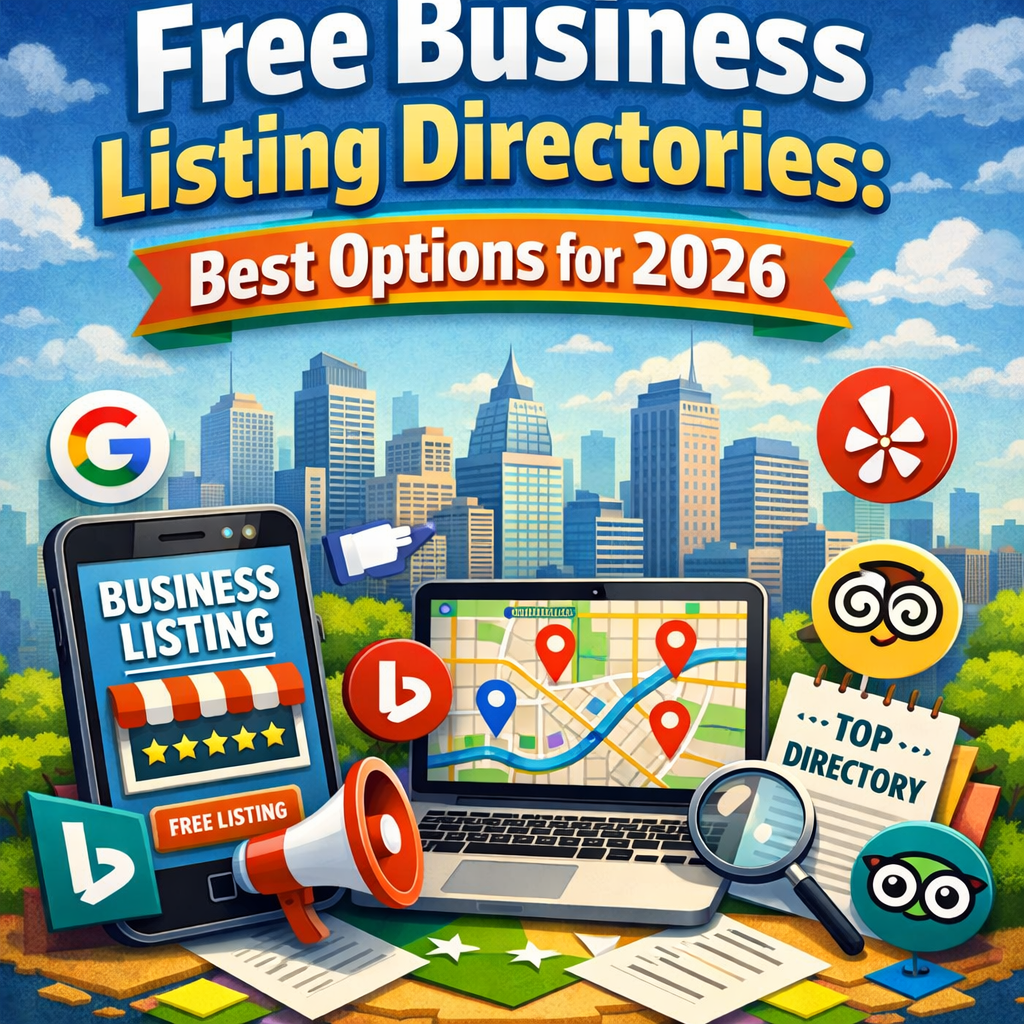
Business listing directories are the bedrock of this strategy—the "digital real estate" that validates your existence.
This guide isn't just a list; it’s a strategic roadmap. We are cutting through the noise to give you the high-impact, free directories that actually move the needle for your SEO and brand credibility in 2026.
The Strategic "Why": Beyond Just Backlinks
Before we dive into the list, let’s recalibrate your expectations. Why bother with directories when you have social media?
- Local SEO Domination: Search engines use data from authoritative listing sites to cross-reference your business’s location and services. Consistent NAP (Name, Address, Phone) data across these platforms acts as a trust signal, boosting your visibility in local search results.
- The "Trust" Factor (E-E-A-T): Google’s E-E-A-T (Experience, Expertise, Authoritativeness, Trustworthiness) framework relies heavily on corroboration. When reputable directories like Yelp, Crunchbase, or What Launched Today vouch for you, your "Trustworthiness" score climbs.
- Traffic Quality: People browsing business directories are often further down the funnel. They aren’t just scrolling; they are looking for solutions. A presence on a platform like G2 or Capterra puts you directly in front of buyers with high intent.
The "Big Five": Non-Negotiable Titans
If you haven't claimed these, stop reading and do it now. These are the pillars of your online identity.
1. Google Business Profile (formerly Google My Business)
- The Verdict: The undisputed king of local visibility.
- Why It Matters: It’s the gateway to Google Maps and the Local Pack (the top 3 business results). According to recent data, the local search results page captures over 90% of views for intent-driven queries.
- Action Item: Don’t just "set it and forget it." Treat your profile like a social feed. Post weekly updates, respond to every review (even the bad ones), and upload high-quality photos of your team or product.
2. Bing Places for Business
- The Verdict: The sleeping giant.
- Why It Matters: With the integration of ChatGPT into Bing, Microsoft's search engine has seen a resurgence. You are tapping into a user base that executes billions of searches monthly. Plus, you can often sync your Google Business Profile directly to Bing, making setup a breeze.
3. Facebook Business Page
- The Verdict: Your second website.
- Why It Matters: With nearly 3 billion monthly active users, Facebook isn't just a social network; it's a directory. Your page ranks highly in organic search. It’s also a critical customer service channel where responsiveness builds public trust.
4. Yelp
- The Verdict: The social proof engine.
- Why It Matters: Yelp reviews feed into Apple Maps and other ecosystems. While the platform can be polarizing, its domain authority is massive. A profile here—even a basic free one—sends a strong signal of legitimacy to search algorithms.
5. Apple Maps Connect
- The Verdict: The mobile gatekeeper.
- Why It Matters: For the millions of iOS users asking Siri "find a business near me," this is where the data comes from. If you aren't here, you are invisible to the iPhone ecosystem.
The Startup & Tech Ecosystem: Where Founders Live
For the tech-savvy crowd—SaaS founders, AI developers, and digital agencies—local directories aren't enough. You need to be where the innovators are.
6. What Launched Today
- The Verdict: The "No Noise" Launchpad.
- Why It Matters: In 2026, speed is everything. Whatlaunchedtoday has emerged as a favorite for indie hackers and startups.
- The Hook: It positions itself as a "pure product discovery" feed without the clutter.
- Killer Feature: Unlike stagnant directories, it offers a dynamic submission process where you can submit your product in under a minute. It creates immediate visibility among early adopters looking for the "next big thing" in AI, SaaS, and No-Code.
- 2026 Outlook: Their automatic listing feature (pushing to 100+ other directories) makes it a high-leverage tool for founders with limited time.
7. Product Hunt
- The Verdict: The viral engine.
- Why It Matters: While technically a launch platform, your Product Hunt page becomes a permanent, high-authority directory listing. A successful launch here can provide enough "link juice" to rank your own website for competitive keywords for months.