


Let’s address the elephant in the room: In the world of modern SEO, "directory submission" often gets a bad rap. It sounds like a relic from 2010—a spammy tactic involving automated bots blasting your link to thousands of low-quality link farms.
But here is the reality for 2026: Directory submission isn't dead; it has just evolved.
For startup founders and tech enthusiasts, high-quality directories are no longer just about "link juice." They are about Digital Trust. When you list your SaaS or local business on authoritative platforms, you aren't just building a backlink; you are building a "citation"—a verified footprint that tells Google, "This business is real, operational, and trusted by others."
If you want to improve your Domain Authority (DA), drive referral traffic, and signal legitimacy to investors without spending a fortune on ads, this guide is your blueprint.
Why Directory Submission Still Matters (The "Trust Signal")
Before we dive into the tools, you need to understand why you are doing this. Google’s E-E-A-T (Experience, Expertise, Authoritativeness, Trustworthiness) framework relies heavily on consistency.
When Google sees your NAP (Name, Address, Phone Number) and website URL listed consistently across high-authority platforms like Yelp, Apple Maps, and niche tech directories, it validates your existence.
- Local SEO Boost: For local startups, consistent directory listings are a top-3 ranking factor for the "Local Pack" (the map results at the top of Google).
- Referral Traffic: Unlike a hidden backlink in a blog footer, directory listings are functional. Real users search them to find tools.
- Faster Indexing: New landing page? A link from a DA 90+ directory can get it crawled and indexed by Google within hours.
The "Big Four": Essential Free Tools for Foundation
These are the non-negotiables. Regardless of your industry, every business needs a presence here to establish baseline authority.
1. What Launched Today(The Automation Play)
Best For: Product discovery and Launch Day momentum.
Why It Wins:
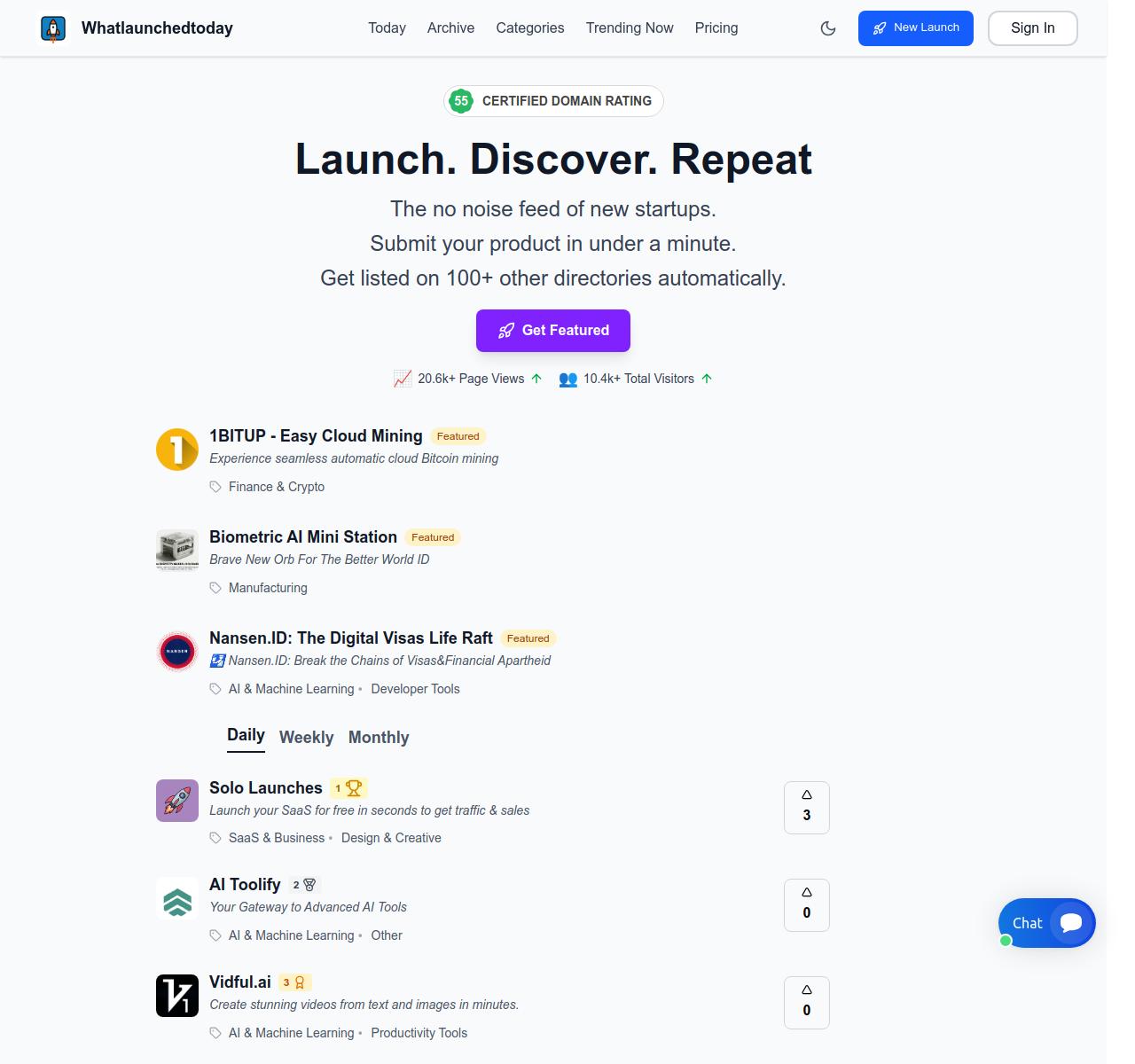
For tech startups, visibility is speed. What Launched today is a modern product discovery platform built around the “Launch. Discover. Repeat.” cycle. Unlike generic directories, it’s optimized for newly launched SaaS, AI tools, and no-code products, where timing matters most.
What truly differentiates WhatLaunched.today is its 100+ manual directory submissions service—positioned as a premium, founder-first alternative to automated tools like ListingBott.
Each submission is:
- Manually reviewed
- Uniquely written
- Submitted to curated startup & software directories
- Relevance-checked (no spam networks)
The SEO Value:
Beyond the backlink itself, WhatLaunched.today delivers high-intent referral traffic. Users browsing the platform are actively looking for new tools to try, not passively scrolling. This results in:
- Faster indexing for new domains
- Stronger brand-to-category association
- Higher-quality referral visits with conversion intent
For founders who want clean, safe SEO foundations without automation risk, this manual-first approach provides long-term value—not short-lived DR spikes.
2. Google Business Profile (The Heavyweight)
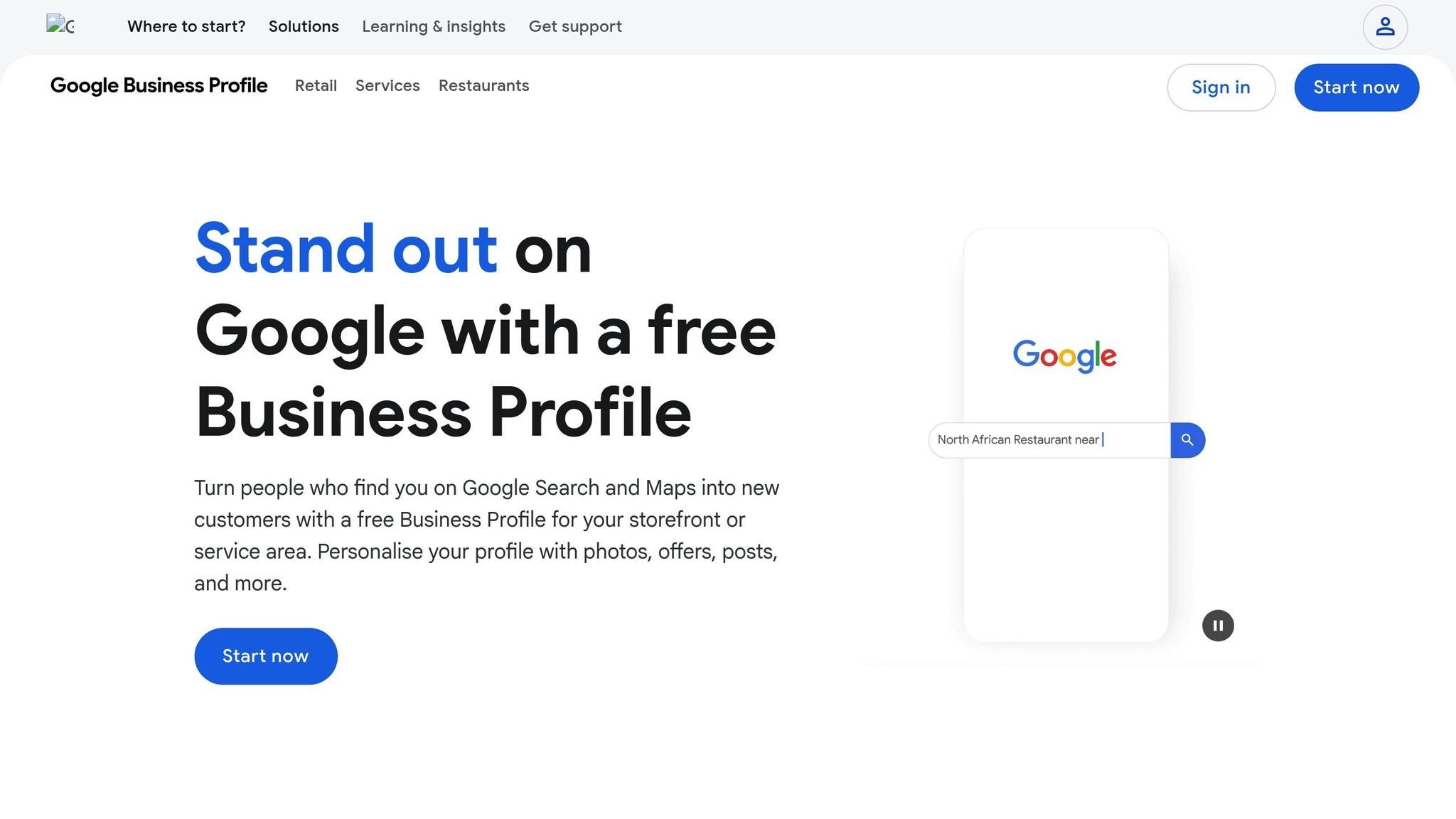
- Best For: Local visibility and brand legitimacy.
- Why It Wins: It’s the single most important tool for local SEO. It captures nearly 45% of local search clicks.
- Key Feature: You aren't just listing a URL; you are managing a mini-homepage on Google with posts, reviews, and Q&As.
- Pro Tip: Fill out every field. An incomplete profile can actually rank lower than a non-existent one.
3. Bing Places for Business
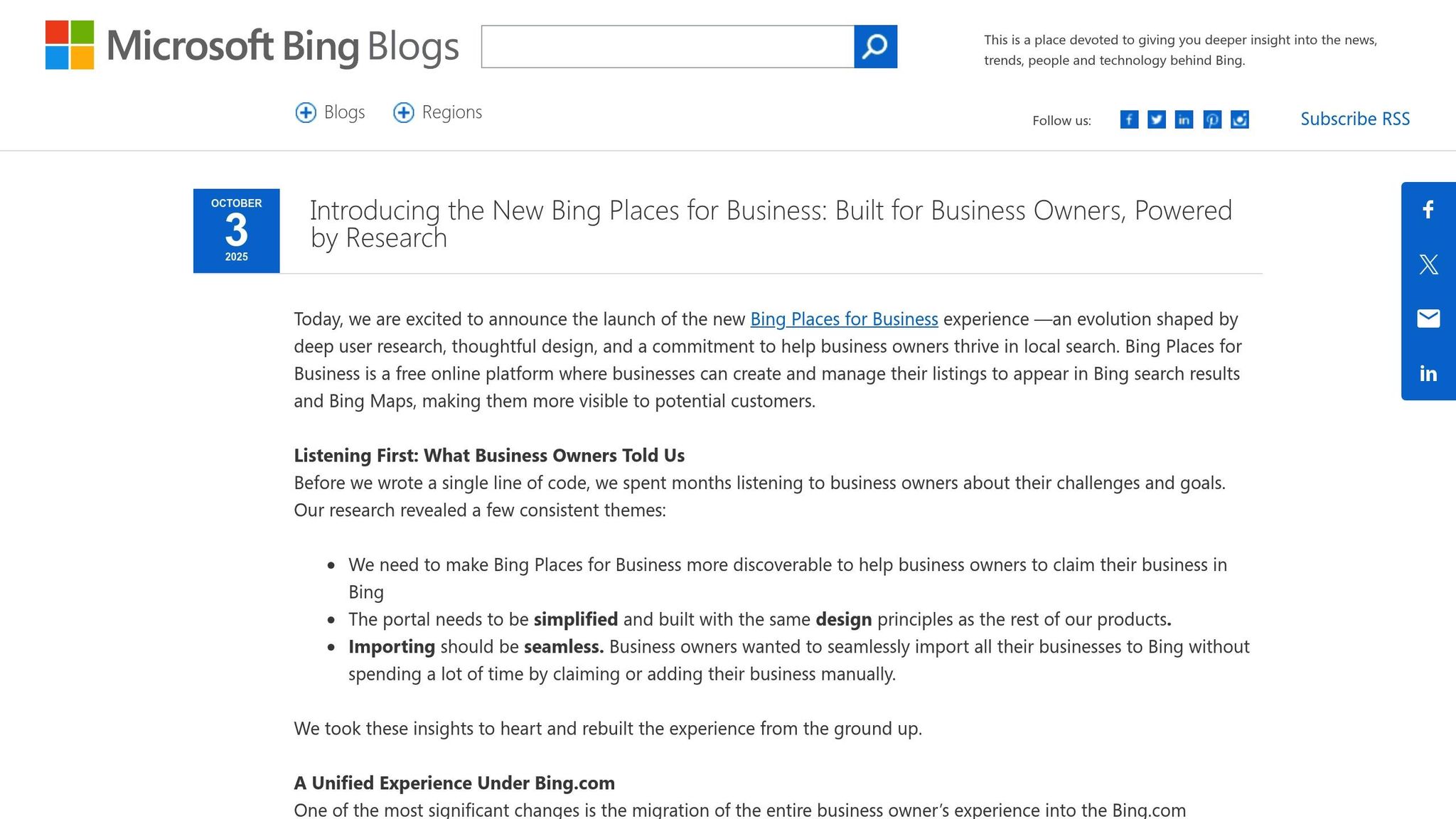
- Best For: B2B and desktop users.
- Why It Wins: Bing is the default search engine for millions of corporate Windows devices. The competition here is significantly lower than Google, making it easier to rank #1.
- Key Feature: The "Sync with Google" button allows you to import your Google Business Profile data instantly, saving you the manual work.
4. Apple Business Connect
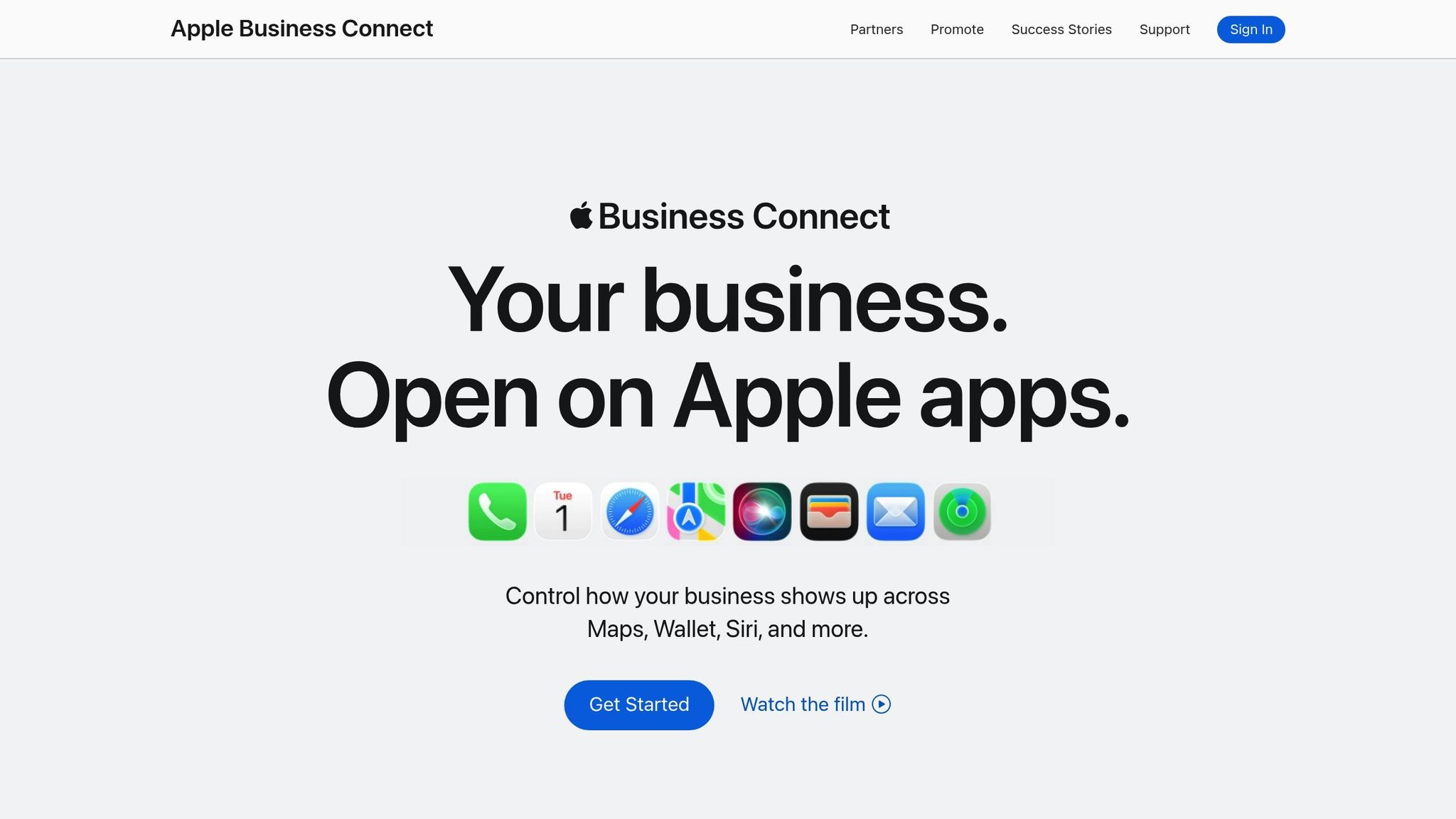
- Best For: Reaching mobile users (iOS).
- Why It Wins: This puts you on Apple Maps and Siri. With over 1 billion active iPhones, ignoring this ecosystem is leaving money on the table.
- Key Feature: "Showcases" allow you to highlight custom promotions or new feature launches directly in the Maps card.
5. Yelp Business Listing
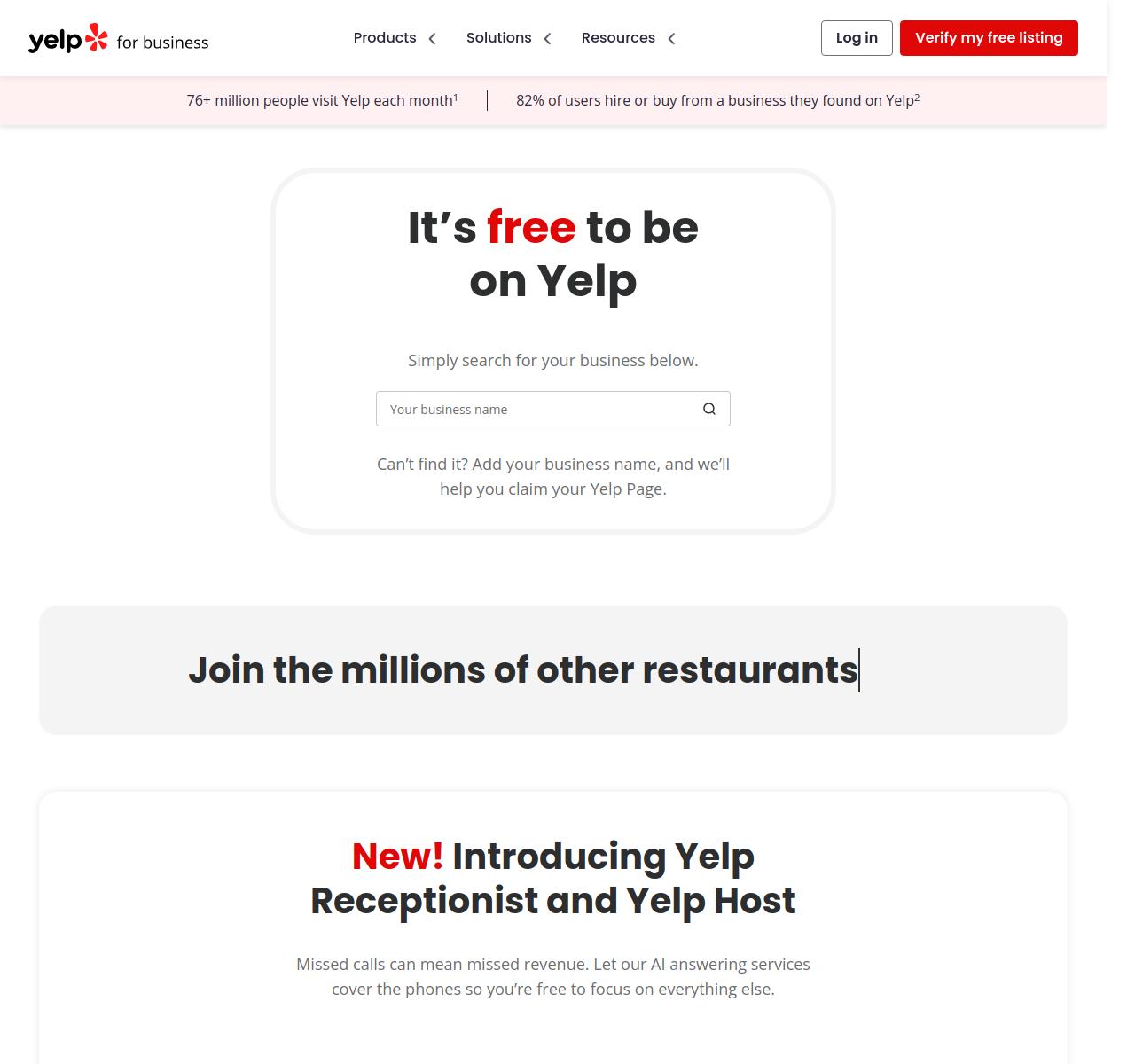
- Best For: Social proof and high-intent traffic.
- Why It Wins: Yelp has a massive Domain Authority (DA 94+). A link from Yelp is a vote of confidence that Google respects highly.
- Key Feature: Unlimited character counts for business descriptions allow you to naturally weave in your secondary keywords
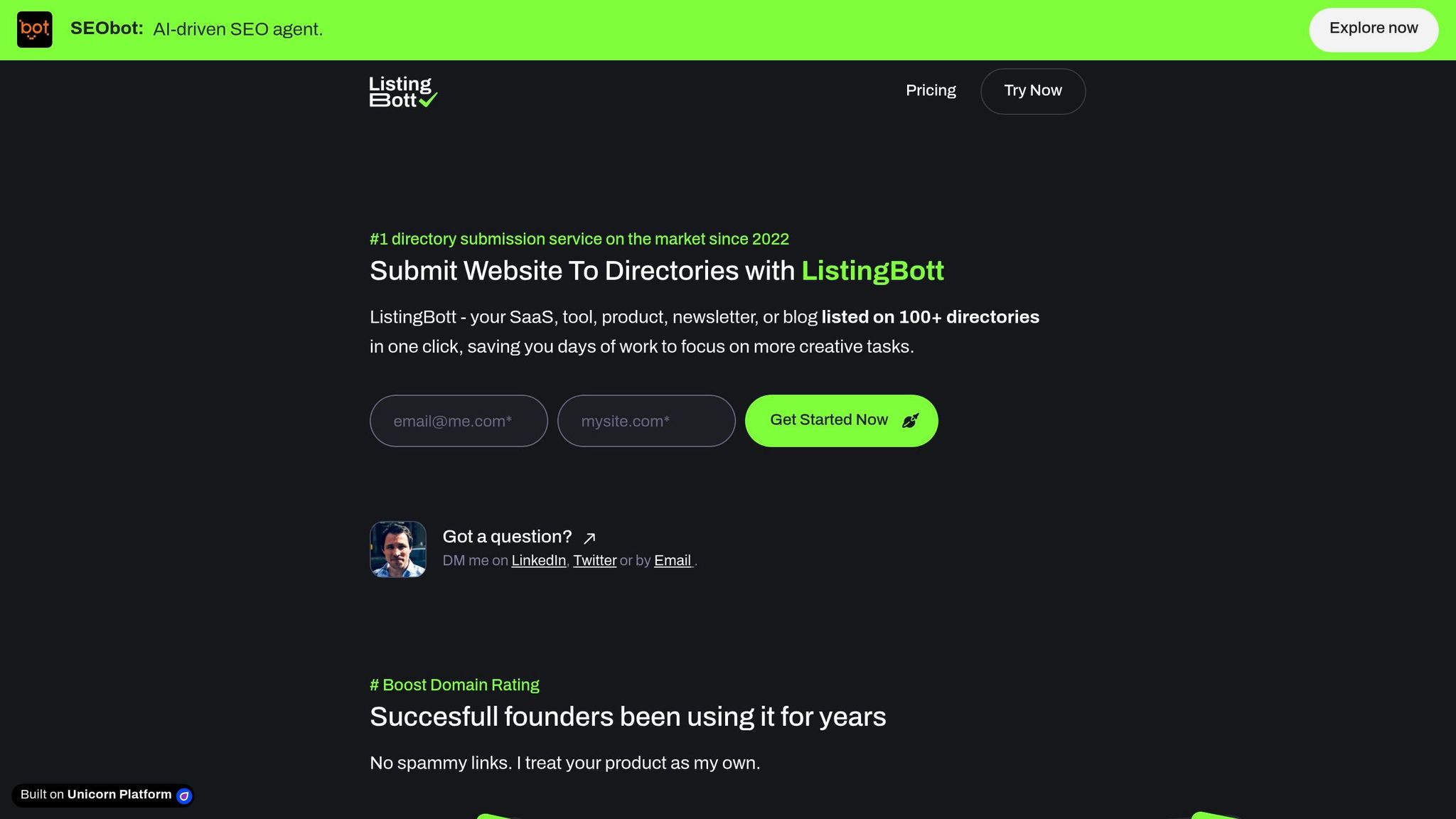
6. ListingBott

- Best For: Scaling submissions to niche directories (AI, SaaS, Dev Tools).
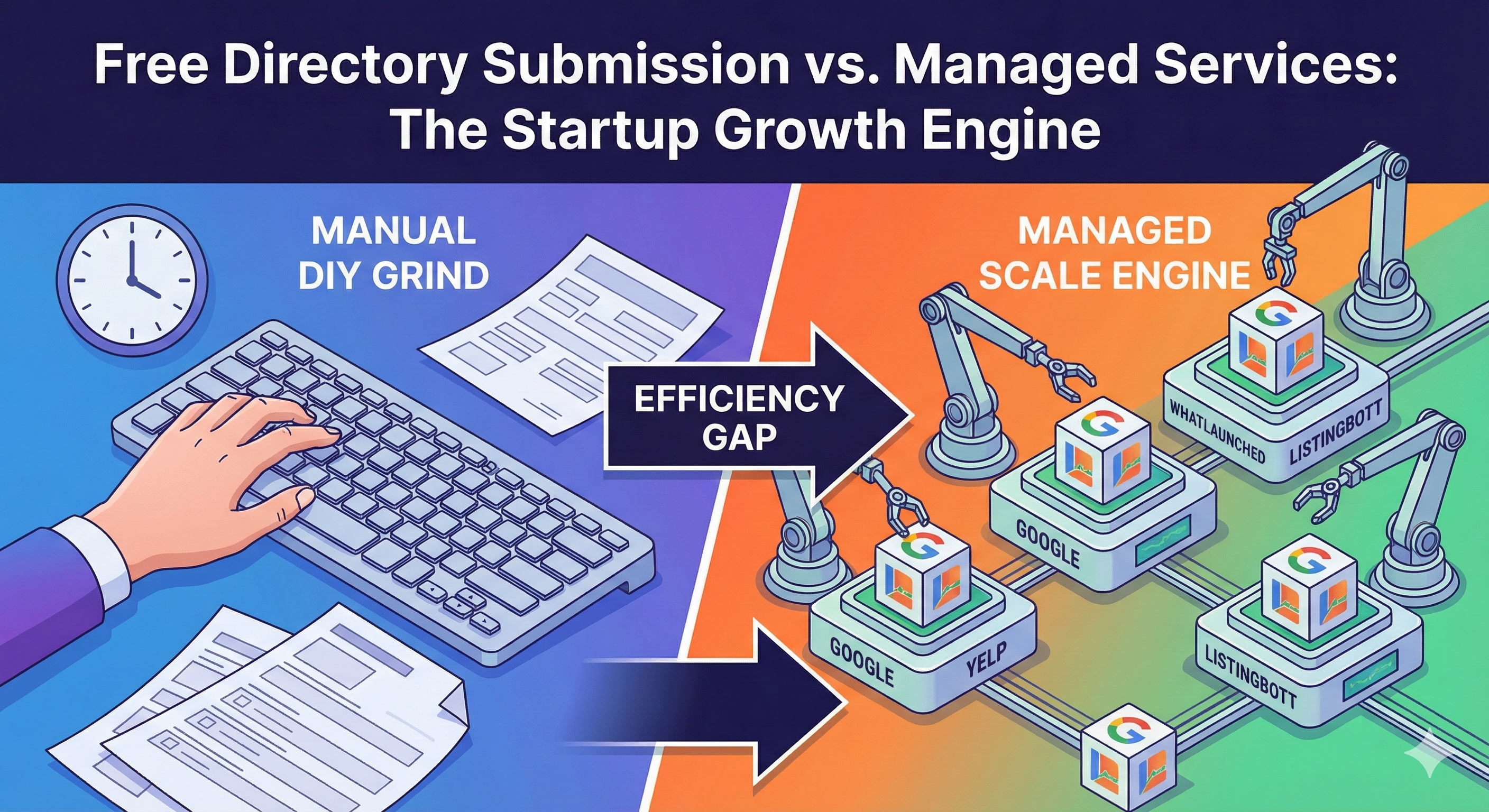
- Why It Wins: While manual submission is free, it is also slow. ListingBott offers a hybrid approach. It identifies over 100+ niche-specific directories relevant to startups and automates the submission process.
- The "Freemium" Angle: While the full automation is a paid service, their free resources and directory lists are invaluable for identifying where to submit manually if you are bootstrapping.
How to Evaluate a Directory (Don't Just Spam)
Not all directories are created equal. Submitting to a "link farm" (a site that exists solely to sell links) can actually penalize your site. Use this checklist before submitting:
- Domain Authority (DA): Aim for sites with a DA of 50+. You can check this using free SEO tools like Ahrefs’ Website Authority Checker.
- Traffic Reality Check: Use a tool like SimilarWeb to see if the directory actually gets visitors. If a site has a DA of 60 but zero traffic, it’s a "ghost town" and likely flagged by Google.
- Relevance: A "Plumbing Services Directory" is useless for an AI Chatbot startup. Context is key for ranking.
- Indexation: Search
site:directoryname.comin Google. If Google hasn't indexed their pages, they won't index your link either.
Expert Perspective: The "Citation Consistency" Trap
Here is the analytical takeaway that most founders miss: Inconsistency kills authority.
If you are listed as "Acme AI Solutions, LLC" on Google but "Acme AI" on Yelp, and "Acme Solutions" on WhatLaunched, you are confusing Google’s algorithm.
The Rule of N.A.P. (Name, Address, Phone):
Google treats your N.A.P. data like a digital fingerprint. If the fingerprint is smudged (inconsistent), Google trusts it less. Before you submit to any of the tools above, create a master document with your exact formatting and copy-paste it every single time.
The Bottom Line:
Don't view directory submissions as a "one-and-done" SEO hack. View them as Digital Real Estate. A profile on a high-traffic directory is a landing page you don't have to host. It can rank for keywords your main website might miss (e.g., "Best new AI tools 2026").
Conclusion: Start Building Your Footprint Today
SEO is a marathon, but directory submission is one of the few sprints that actually works. By leveraging the "Big Four" for foundation and niche platforms like WhatLaunched.today for targeted exposure, you can build a defensive moat around your brand's digital presence.
Your Action Plan:
- Audit: Google your business name today. Are your current listings accurate?
- Submit: Dedicate 30 minutes this week to claim your profiles on the "Big Four."
- Launch: Submit your latest product iteration to WhatLaunched.today to tap into the tech-enthusiast community.
Frequently Asked Questions (FAQs)
What are free directory submission tools?
Free directory submission tools help you list your website, startup, or product on online directories without paying a fee. These tools simplify the process of submitting your site to multiple business, startup, and SaaS directories, helping improve visibility, indexing speed, and backlink diversity.
Are directory submissions still effective for SEO?
Yes—when used strategically. Directory submissions no longer drive rankings on their own, but they still support SEO by:
Improving crawl and index discovery
Adding trusted referring domains
Strengthening brand and entity signals
Low-quality or mass submissions, however, can harm SEO.
Do free directory links help Google rankings?
Free directory links provide indirect SEO benefits, not direct ranking boosts. Google values relevance and trust, so links from curated, niche directories are far more effective than links from generic or spammy sites.
How many directory submissions should a startup do?
For most startups, 20–50 high-quality directory listings are enough. Focus on:
Startup directories
SaaS and tool listing platforms
Industry-specific directories
Quality matters far more than quantity.
Are directory submission links dofollow or nofollow?
Most directories provide nofollow links, but that’s not a problem. Nofollow links still help with:
Brand discovery
Referral traffic
Natural link profile balance
Some curated directories do offer dofollow links after review.
Can directory submissions hurt SEO?
Yes, if done incorrectly. SEO risks come from:
Automated bulk submissions
Low-quality directory networks
Repetitive keyword-stuffed anchor text
Stick to trusted platforms and manual submissions to stay safe.
What information should I include in a directory listing?
A strong directory listing should include:
Brand or product name
Short, unique description
Primary website URL
Category or niche selection
Logo or product image (if supported)
Avoid copying the same description across all directories.
Are startup directories better than general business directories?
Yes. Startup and SaaS directories tend to:
Be more relevant
Rank better in search results
Send higher-quality traffic
General business directories have lower SEO value unless they’re well-maintained and trusted.
How long does it take to see SEO benefits from directory submissions?
Directory links usually help with indexing and authority signals within 2–6 weeks. Ranking improvements depend on:
Content quality
Keyword competition
Overall backlink profile
Directories support SEO—they don’t replace it.
What’s the best free directory submission tool for startups?
There’s no single “best” tool, but founders get the most value from:
Curated startup directories
Product launch platforms
Discovery tools like what launched today
The best choice depends on your niche, product stage, and goals.

