





A startup directory is an online database or curated list that catalogues new and emerging companies. Think of it as a specialized phone book or a LinkedIn for the startup world. It serves as a discovery platform for investors, job seekers, early adopters, and founders by organizing information based on criteria like industry, funding stage, and location.
- Core Purpose: To centralize information, making the startup ecosystem more navigable, transparent, and accessible for everyone involved.
- Key Audiences: Founders, venture capitalists (VCs), angel investors, journalists, B2B sales teams, and talent looking for their next role.
- Common Information: A standard profile includes the company name, website, a concise pitch, industry tags, funding details, and key team members.
Startup Directory vs. The Windows Startup Folder: A Quick Clarification
It's a common point of confusion, but these two terms are fundamentally different.
- Startup Company Directory: A website listing innovative businesses, like Y Combinator's portfolio or Product Hunt. Its purpose is business discovery, investment, and market research.
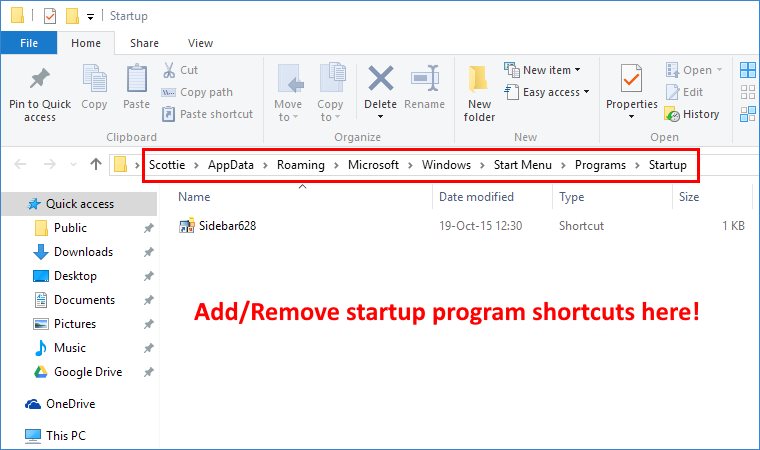
- Windows Startup Folder: A folder on your PC's hard drive that holds shortcuts to applications set to launch automatically when you turn on your computer. Its purpose is convenience and workflow automation. To access it, press
Win + R, typeshell:startup, and hit Enter.
Why Get Listed? Key Benefits of Using a Startup Directory
Using a startup directory offers distinct advantages for different players in the tech ecosystem, from gaining visibility to discovering untapped opportunities.
Source: scottiestech.info
For Founders
- Gain Initial Traction: Attract your first users or beta testers by launching on community-focused platforms like Product Hunt.
- Increase Visibility: Get on the radar of potential investors, journalists, and strategic partners who browse these sites for new opportunities.
- Build SEO Authority: Secure a valuable backlink from a high-authority domain, which helps your own website rank better in search results.
For Investors & Market Analysts
- Deal Sourcing: Discover emerging companies and build a pipeline of new investment opportunities before they become mainstream.
- Market Research: Track industry trends, monitor competitor funding, and identify market gaps by analyzing aggregated data.
- Due Diligence: Quickly verify a company's funding history, team composition, and public profile.
For Job Seekers & Sales Teams
- Find Hidden Gems: Discover job openings at innovative, high-growth companies that aren't on mainstream job boards.
- Lead Generation: Build targeted lists of qualified leads based on industry, size, and funding stage for B2B outreach.
- Partnership Opportunities: Identify potential integration partners or companies for co-marketing campaigns.
A Curated List of Top Startup Directories
Startup directories come in many forms, each catering to a different audience or purpose.
| Directory Type | Primary Focus | Best For | Popular Examples |
|---|---|---|---|
| Data & Research Platforms | Comprehensive data on funding rounds, investors, and acquisitions. | Investors, Market Analysts, Sales Teams | Crunchbase, PitchBook, CB Insights |
| Launch & Community Platforms | Showcasing newly launched products to a tech-savvy community. | Founders, Early Adopters, Product Managers | Product Hunt, BetaList, Indie Hackers |
| Accelerator & VC Portfolios | Vetted portfolio companies from a specific incubator or VC fund. | Investors, Prospective Founders, Talent | Y Combinator Directory, Techstars, Andreessen Horowitz (a16z) |
| Niche & Regional Hubs | Startups in a specific industry (e.g., AI, FinTech) or location (e.g., UK, India). | Industry Professionals, Local Investors | Built In (USA), Tech Nation (UK), AngelList |
How to Get Your Startup Listed: A Step-by-Step Guide
Getting your company listed is a key part of any go-to-market strategy. The process generally involves direct submission or being discovered through public milestones.
Source: entrepreneurship.columbia.edu
Step 1: Identify Relevant Directories
Start by making a list of directories that fit your startup's stage, industry, and location. Don't just target the biggest platforms; a listing on a respected niche directory can often generate more qualified leads. For example, a startup like Prompt Reviews would benefit more from an AI-focused directory than a general one.
Step 2: Prepare Your Submission Kit
A directory listing is your startup's digital business card. Before you start submitting, gather these key assets:
- Company Vitals: Name, high-resolution logo, and website.
- The Pitch: A powerful one-sentence tagline and a clear, concise description of the problem you solve.
- Categorization: Relevant industry tags (e.g., SaaS, FinTech, AI) and your business model (e.g., B2B, Marketplace, D2C).
- Team & Scale: Founder names and links to their professional profiles, plus your current employee count.
- Financials (if applicable): Total funding raised, most recent funding round, and key investors.
- Visuals: Professional screenshots, a product demo video, or a link to your press kit.
Step 3: Follow the Submission Process
Most directories have a "Submit a Startup" or "Add Your Company" button. Fill out the form accurately and completely. Some offer free basic listings, while others may have paid plans for faster review or enhanced visibility. For curated, invitation-only directories, focus on achieving public milestones like securing a venture round or gaining significant user traction to get noticed.
What to Look for in a Quality Directory
Not all directories are created equal. Use these criteria to evaluate where to spend your time and effort:
- Audience Relevance: Does the directory attract your target audience (investors, customers, talent)? A niche directory with 1,000 relevant users is better than a general one with 100,000 irrelevant ones.
- Domain Authority (for SEO): Use a free SEO tool to check the site's Domain Authority or Domain Rating. A higher score means a backlink from them is more valuable.
- Community Engagement: Look for signs of an active community, such as user comments, upvotes, and active social media channels. This indicates people are actually using the site for discovery.
- Transparency: A quality directory is clear about its submission process, criteria for inclusion, and any associated costs.
What Launched Today is a startup discovery platform where founders can launch their products to get discovered by thousands of other founders and early adopters. The service helps new companies gain users and acquire a high domain rating backlink. Explore more at https://whatlaunched.today.
Frequently Asked Questions About Startup Directories
Is a startup directory the same as a general business directory?
Not quite. Think of it as a curated art gallery versus a phone book. A startup directory focuses on innovative, high-growth, and often tech-enabled companies. A general business directory, like Yelp or Yellow Pages, lists all types of businesses, including restaurants and retail shops with traditional business models.
Are startup directories free to use?
Most directories offer a free tier for browsing and submitting a basic profile. However, premium features—such as advanced search filters, data exports, verified founder contact information, or featured placement—almost always require a paid subscription.
How can startup directories help with SEO?
Earning a listing on a reputable startup directory provides a quality backlink. This acts as a vote of confidence, signaling to search engines like Google that your site is credible. Over time, these backlinks can positively impact your website's authority and search rankings.
Can I find remote jobs on a startup directory?
Yes. Many modern directories, including AngelList and the Y Combinator directory, have built-in job boards with filters for "Remote" or "Hiring." This makes them an excellent tool for finding career opportunities at innovative companies with remote-first cultures.
How long does it take for a listing to be approved?
Timelines vary widely. Community-driven sites like Product Hunt are instant, while curated directories might take days or weeks to review a submission. Some platforms offer paid "fast-track" options to expedite the process.

