




What Is Open Source SEO Software?
Open source SEO software functions as self-hosted toolkits for crawling, auditing, rank tracking, and reporting. Users maintain complete administrative control over their data infrastructure. These platforms eliminate recurring subscription costs while providing fully inspectable codebases and localized database hosting environments.
- Code Transparency: Operators inspect the literal algorithms fetching and calculating their metrics.
- Data Sovereignty: Ranking data remains on internal servers, never shared with third-party vendors.
- Cost Efficiency: No monthly SaaS tiers based on crawl limits or keyword allowances.
- Customization: Developers fork the repositories to inject proprietary business logic into the application layer.
Software licenses govern how teams manipulate search data. Proprietary tools lock you into specific workflows. Conversely, seo tools open source variants offer unbounded flexibility. You download the repository. You provision the server. You spin up the database. The software obeys your exact commands. This shift toward self hosted seo tools reflects a broader desire for data autonomy.
Consider the mechanics of technical extraction. Standard SaaS applications cap your URL limits. If you need to spider a one-million-page e-commerce directory, you pay exorbitant enterprise fees. Open source equivalents remove these artificial ceilings. Your hardware dictates your limits. If your localized machine possesses enough RAM and CPU threads, you can crawl indefinitely. This paradigm heavily favors agencies managing massive, multi-national domains. Furthermore, the seo open source community constantly pushes updates. Engineers submit pull requests to fix bugs, introduce new integrations, and refine parsing speeds. The collective intelligence of thousands of developers outpaces the siloed development of a single corporate entity.
What Are The Best Open Source SEO Tools?
The best open source SEO tools include RustySEO, GSC Bulk Data Downloader, ContentSwift, SerpBear, SEOnaut, SEO Panel, SEOJuice, Greenflare, and the oguzhan18/seo-tools-api. These self-hosted applications facilitate deep technical audits, automated reporting, content optimization, keyword rank tracking, backlink analysis, and custom API integrations.
| Software Name | Core Functionality | Primary Technology | Cost Structure |
|---|---|---|---|
| RustySEO | All-in-one auditing & log analysis | Cross-platform, Ollama | Free |
| GSC Downloader | Bulk Google Search Console exports | Built-in API | Free |
| ContentSwift | SERP analysis & keyword density | Next.js, PostgreSQL | Free |
| SerpBear | Unlimited keyword rank tracking | Next.js, SQLite | Free |
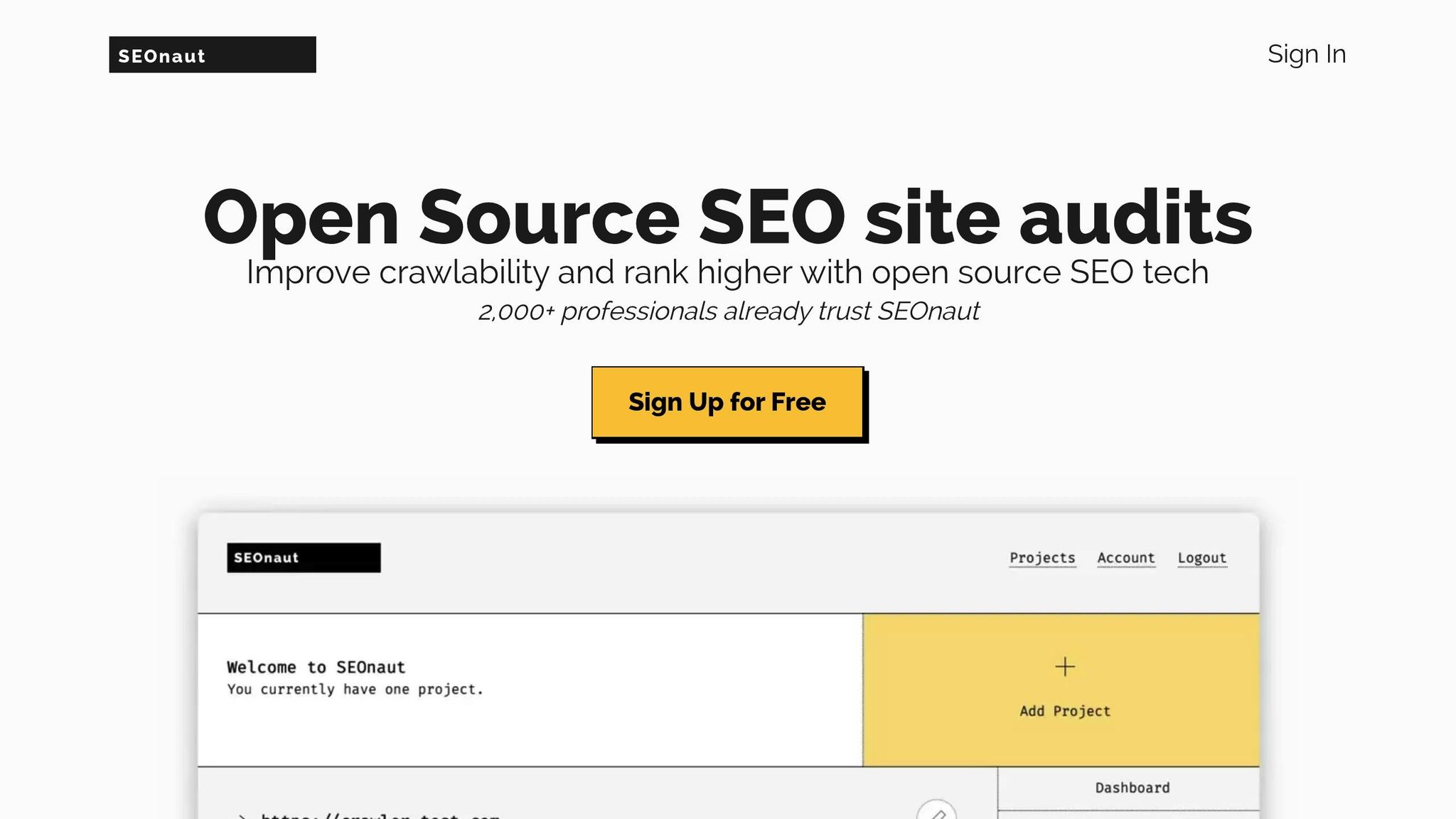
| SEOnaut | Technical indexation monitoring | MIT Licensed | Free |
| SEO Panel | Multi-site reporting & audits | PHP, MySQL | Free |
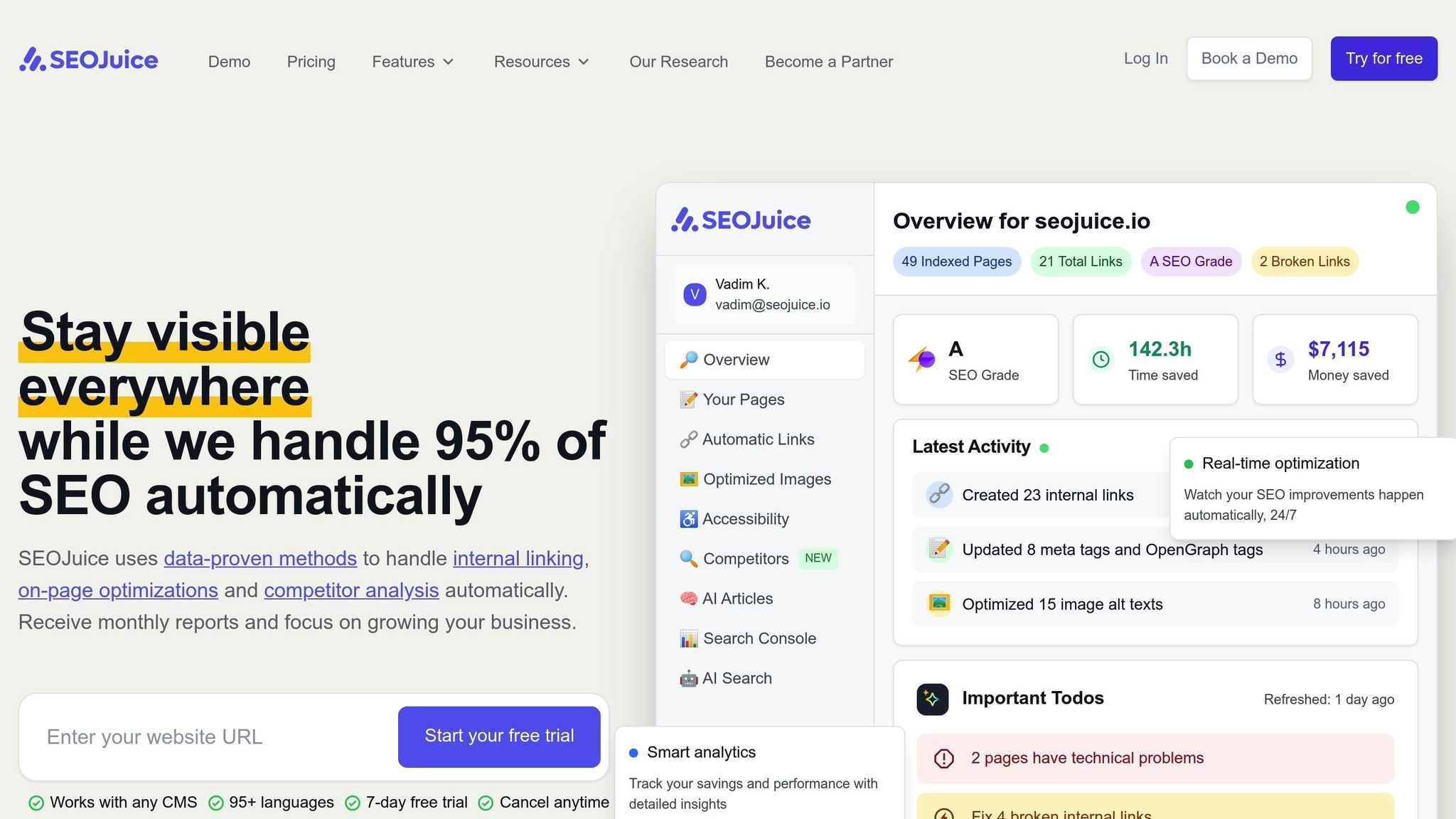
| SEOJuice | Backlink opportunity discovery | Open repository | Free |
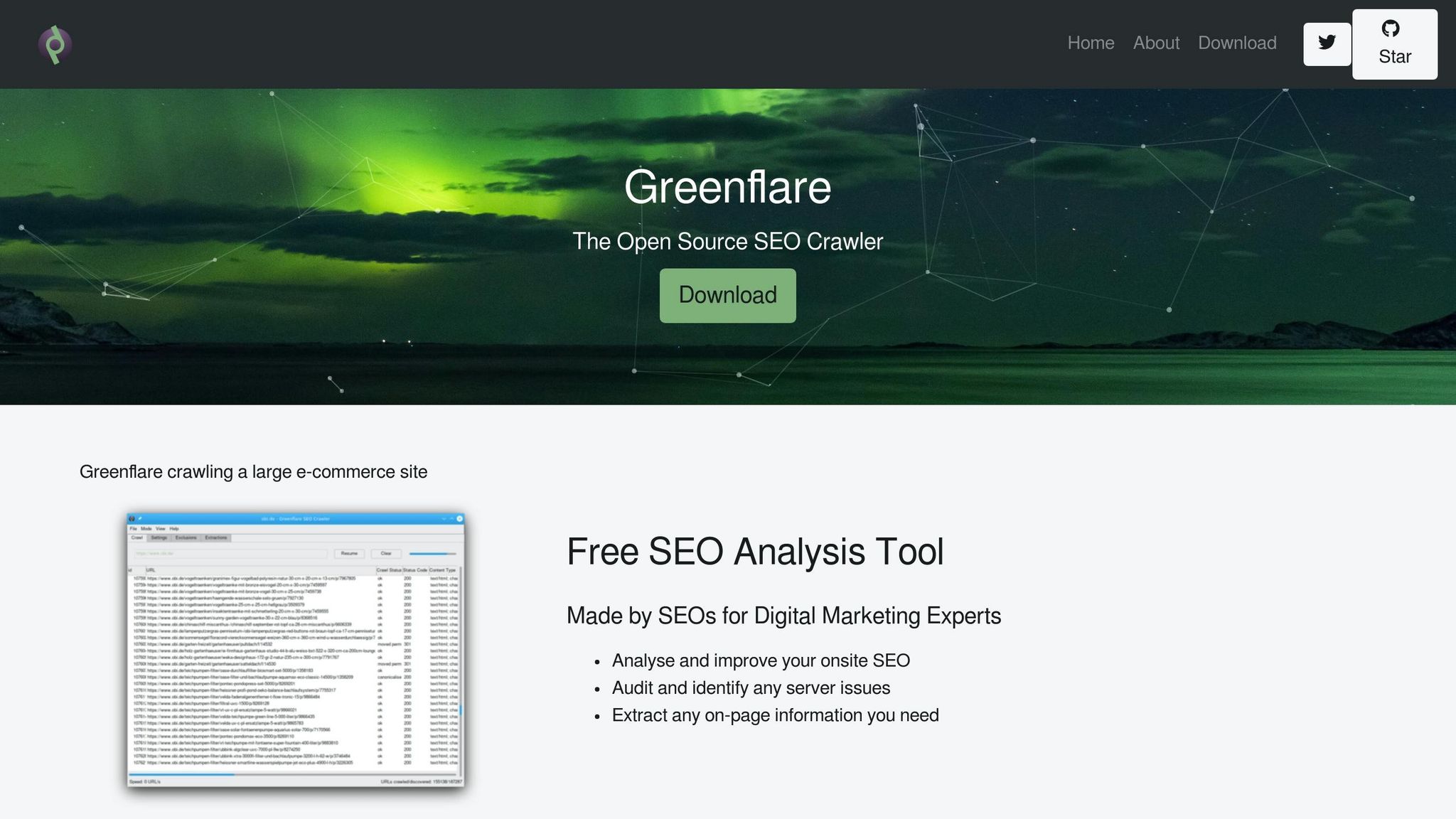
| Greenflare | Fast, multi-threaded site crawling | Desktop executable | Free |
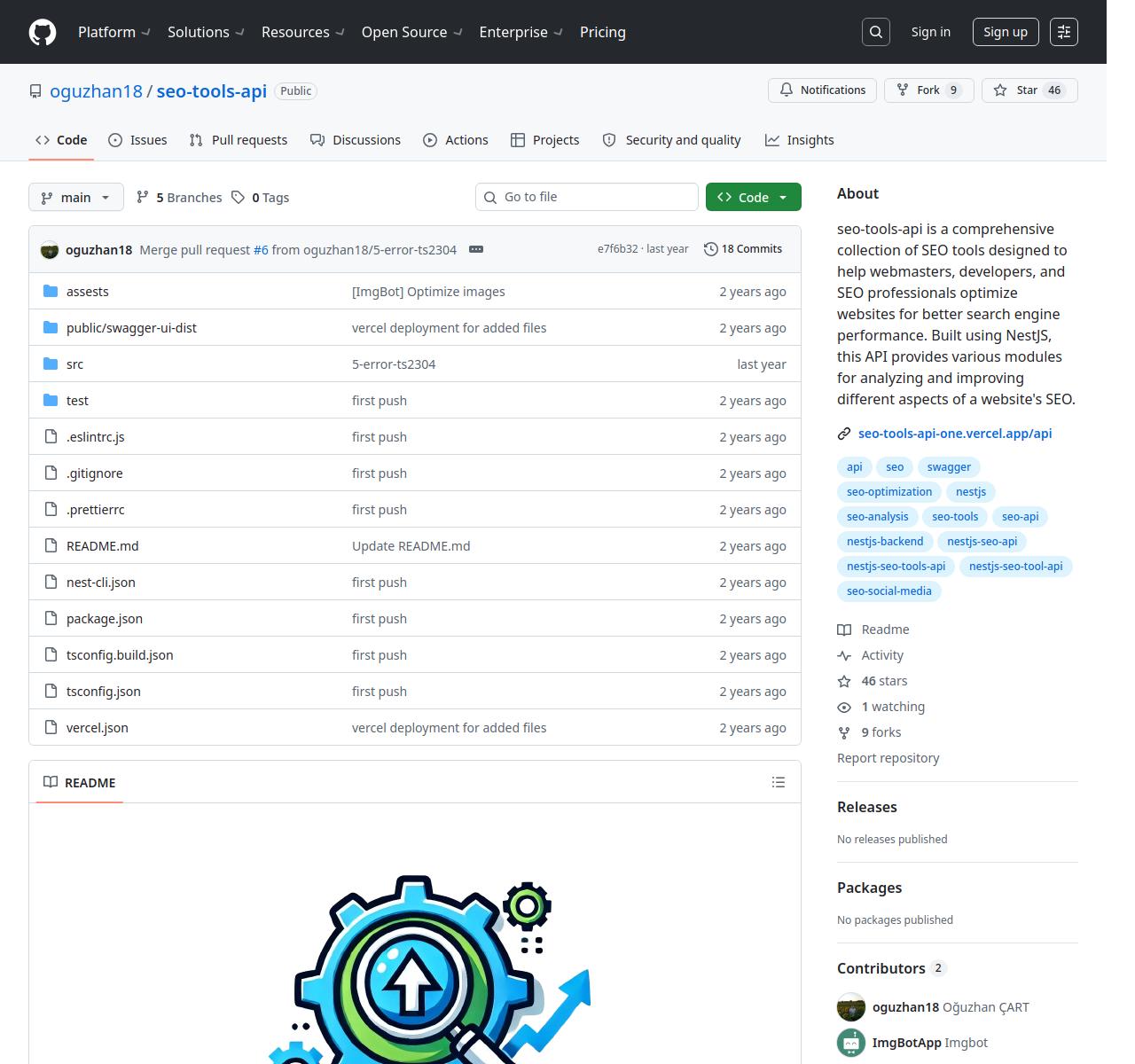
| seo-tools-api | Embeddable JSON SEO metrics | RESTful API | Free |
How Does RustySEO Function As An All-In-One Toolkit?
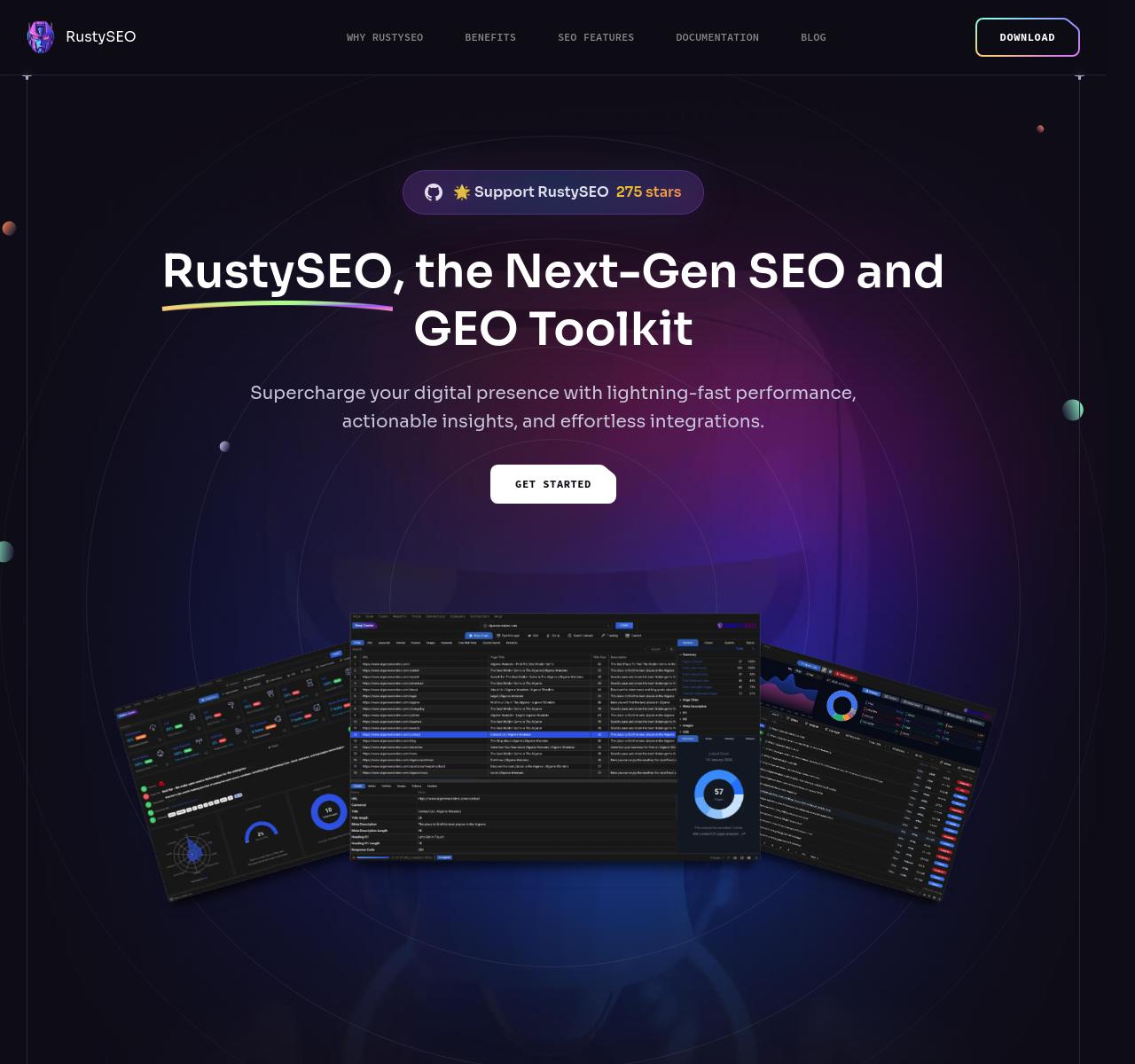
RustySEO operates as a comprehensive marketing toolkit explicitly designed for deep technical audits and server log analysis. The software features on-page diagnostics, Core Web Vitals tracking, and integrated AI functionalities via local Ollama models and the free Google Gemini API.
- Log Parsing: Extracts raw server logs to monitor exact search engine bot behavior.
- Diagnostic Scoring: Assesses PageSpeed Insights and core vitals directly within the interface.
- On-Page Generation: Triggers keyword and topic generators to map semantic entities.
- Artificial Intelligence: Deploys local large language models to ensure conversational privacy.
Analyzing server interactions separates amateur marketers from technical strategists. When a spider hits your server, it leaves a footprint. RustySEO captures these footprints. By analyzing log files, you determine exactly which URLs Google prioritizes and which ones it ignores. Sometimes server responses mimic pure chaos—much like an erratic crazy frog ringtone firing off simultaneously in a crowded room. RustySEO parses that chaos into structured, actionable insights.
Beyond log file analysis, this open source seo tool tackles front-end performance. It executes deep and shallow web crawls to pull metadata, header structures, and internal linking graphs. Furthermore, it measures Core Web Vitals. These metrics—Largest Contentful Paint, First Input Delay, and Cumulative Layout Shift—dictate user experience scores.
RustySEO outputs these diagnostics alongside content density recommendations. The integration of local LLMs like Ollama is particularly fascinating. Instead of pinging external servers with your proprietary content drafts, the ai processes the text directly on your hardware. You receive the benefits of advanced machine learning without compromising corporate security.
How To Automate Reporting With GSC Bulk Data Downloader?
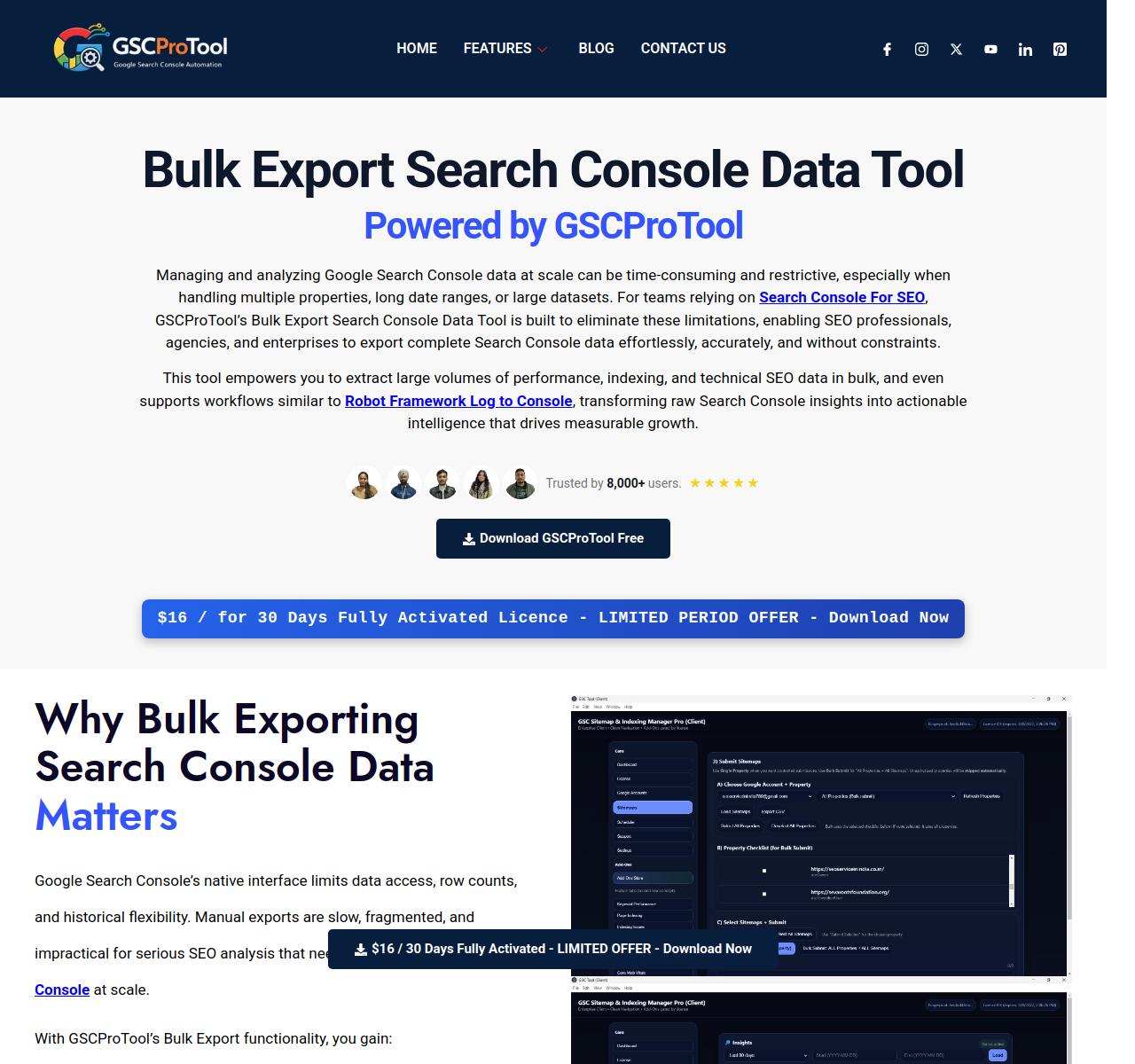
GSC Bulk Data Downloader extracts large keyword datasets from Google Search Console directly into CSV formats. The application pulls specific metrics, including actual visits, impressions, and click-through rates, while utilizing Google Ads integration to deliver monthly search volume statistics.
- Bulk Extraction: Bypasses the standard 1,000-row limit found in the traditional GSC interface.
- Granular Metrics: Separates queries by exact timeframes and distinct geographic regions.
- Automation Hooks: Pushes CSV outputs directly into external business intelligence dashboards.
- Volume Mapping: Cross-references organic query data with Google Ads search volumes.
Google Search Console artificially restricts data visibility. Through the web interface, webmasters only see a fraction of their total keyword research universe. The GSC Bulk Data Downloader obliterates this limitation by interacting directly with the API. It forces the system to yield its entire database of search queries. This open source marketing and seo reporting software is highly effective for large-scale e-commerce sites experiencing the "long tail" phenomenon.
Agencies managing dozens of accounts waste hundreds of hours manually exporting data. This software automates the extraction cycle. It connects to the GSC API, requests the maximum allowable rows per payload, and stitches the data together into a comprehensive CSV file. You get the exact impressions, precise click-through rates, and average positions for tens of thousands of terms from google search. Furthermore, by linking a Google Ads test account, the tool layers monthly search volume over your organic data. This dual-axis view reveals high-volume, low-ranking opportunities that manual analysis frequently misses.
How Does ContentSwift Optimize SERP Content Marketing?
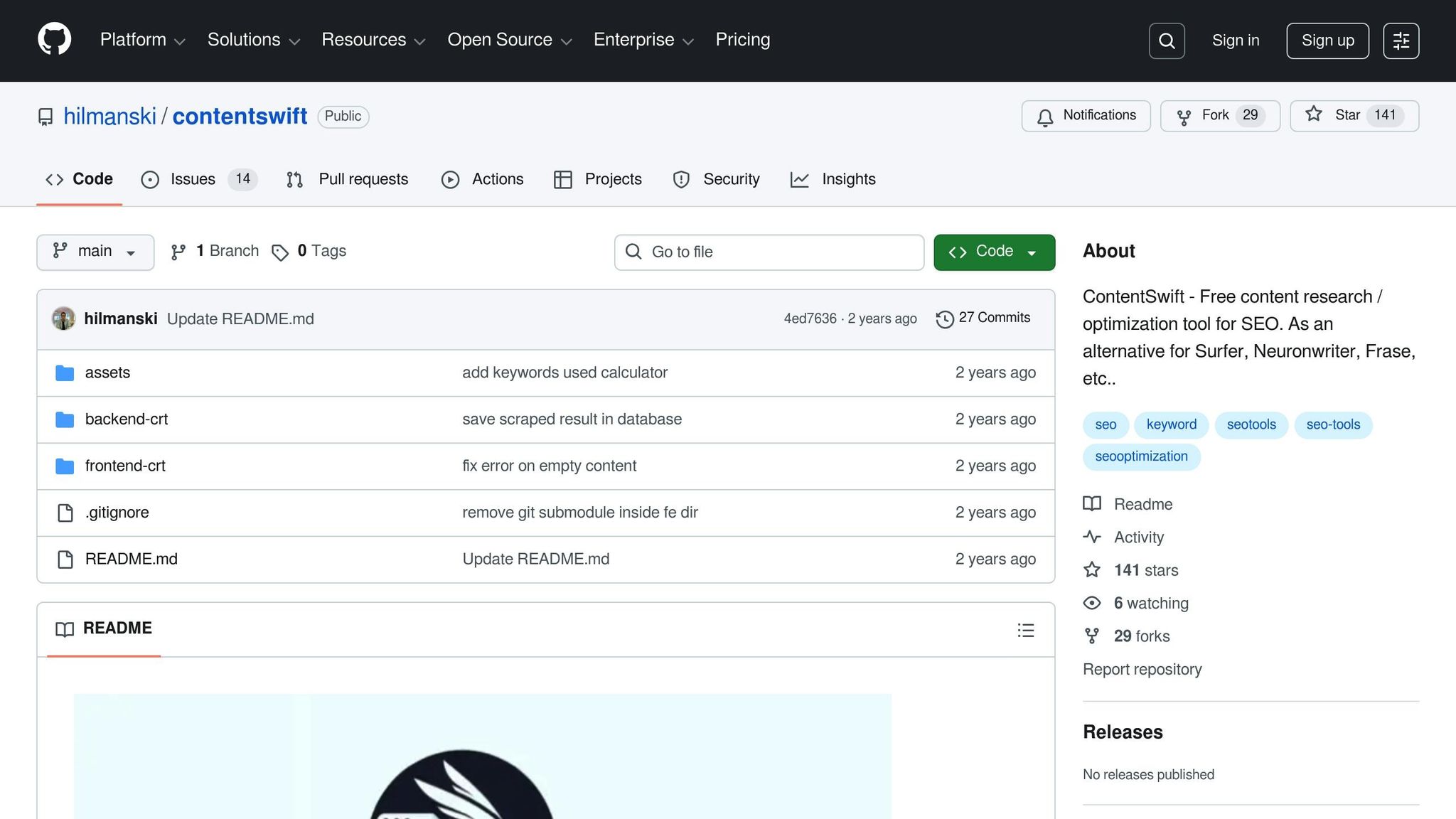
ContentSwift evaluates top-ranking search engine results pages to guide semantic content optimization. The application utilizes a keyword density calculator and word frequency analyzers to extract precise patterns. Developers deploy this PostgreSQL and Next.js platform locally via simple Docker commands.
- SERP Scraping: Pulls the exact text from top-ranking competitors via SERPAPI_KEY integrations.
- Density Calculations: Computes the mathematical frequency of specific target entities.
- Actionable Tips: Generates recommendations based on the semantic structure of winning pages.
- Developer Deployment: Utilizes
docker-compose up -d --buildfor rapid environment configuration.
Content marketing relies on mathematical realities, not just creative writing. Search engines score documents based on lexical proximity and entity salience. ContentSwift acts as an open source seo platform designed specifically to reverse-engineer these mathematical models. By scraping the first page of Google search results, the tool feeds the competing text into its analytical engine.
It breaks down the paragraphs into single words (unigrams) and short phrases (bigrams). The keyword density calculator then reveals the exact saturation levels required to match topical relevance. If the top five articles mention "Python architecture" twelve times on average, ContentSwift highlights your deficit. The architecture relies heavily on Next.js for its lightning-fast user interface and PostgreSQL for relational data storage.
To activate the scraping mechanisms, developers must manually insert their SERPAPI_KEY within the backend configuration files. This highly targeted approach ensures your content strategies align strictly with what search algorithms already reward, taking the guesswork out of semantic optimization.
Why Use SerpBear For Keyword Rank Tracking?
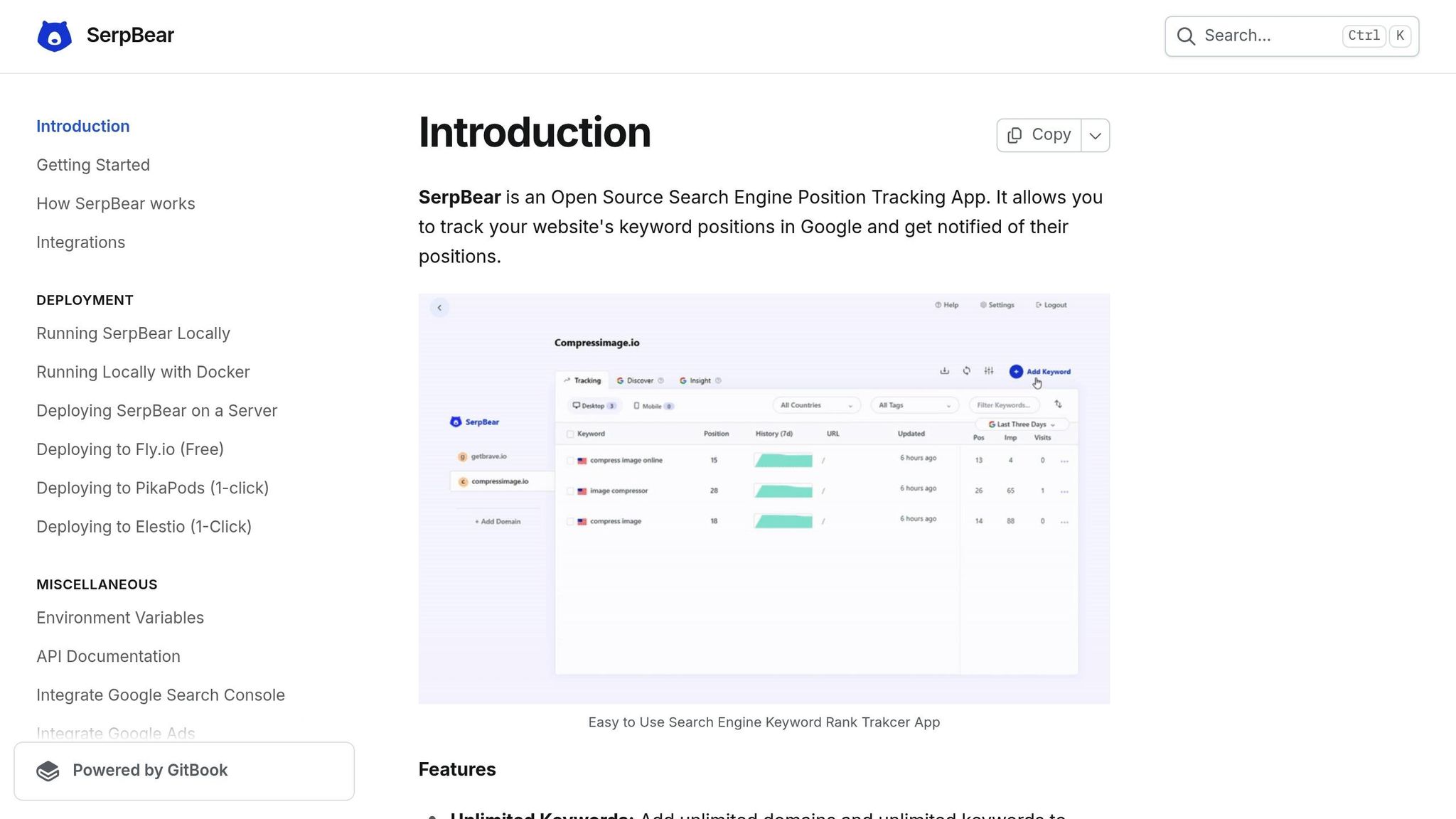
SerpBear monitors unlimited domain names and keywords across Google search results. The platform integrates directly with Google Search Console to map impressions against actual visit counts. Administrators receive automated daily, weekly, or monthly email alerts regarding keyword ranking fluctuations.
- Unrestricted Tracking: Eliminates the arbitrary keyword limits enforced by commercial SaaS trackers.
- GSC Synchronization: Combines rank position data with actual click and impression metrics.
- Automated Alerts: Triggers localized email notifications when specific thresholds or movements occur.
- Developer APIs: Exposes a built-in SERP API to feed ranking data into custom architectures.
Tracking keyword movement forms the baseline of any optimization campaign. Commercial trackers charge a premium for high-volume tracking. SerpBear disrupts this model entirely. As a highly efficient open source seo reporting software, it allows agencies to track ten keywords or ten thousand keywords at the exact same price: zero. The application stores this historical ranking data within a lightweight SQLite database, drastically reducing server load.