

Effective content optimization begins with data. You cannot guess your way to the top of the search engine results pages. Whether you manage a massive portfolio of tech keywords or run a modest local blog, obtaining precise search data dictates your ultimate visibility.
Proper keyword research helps improve your overall traffic acquisition strategy, revealing exactly what your audience wants to read, watch, or buy.
Marketers face an overwhelming market of software options. Hundreds of applications claim to be the ultimate solution. Some are practically useless. Others demand exorbitant monthly fees just to show you basic search metrics.
You need platforms that streamline your daily workflow. You need applications that highlight target phrases and hand you the exact metrics required to rank. And importantly, you should not have to empty your bank account to retrieve that data.
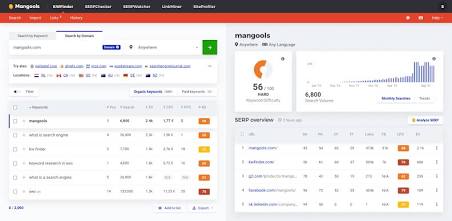
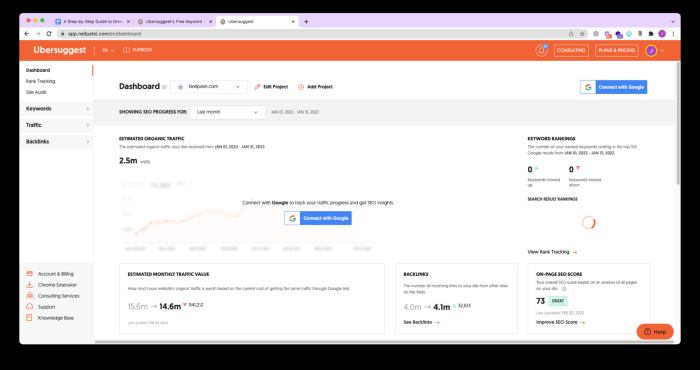
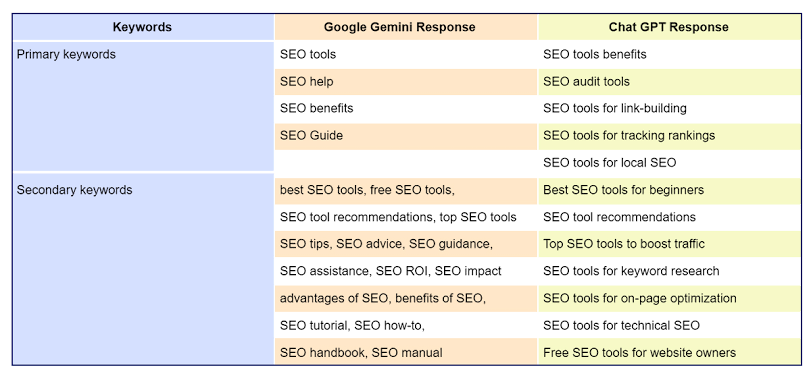
After rigorously testing nearly 90 different free applications, evaluating their capacity to handle diverse search intents, the following four platforms stand out as the absolute best free keyword research tools available today.
Source: MarketSingh
What Makes the Best Free Keyword Research Tool?
A high-quality free keyword research tool delivers essential organic data, including search volume, ranking difficulty, and competitive SERP metrics. The most effective applications offer standalone functionality without hidden paywalls, providing clear optimization guidance and generous search limits for everyday marketers.
Evaluating keyword research tools for seo requires a strict methodology. The core function of any keyword planner tool is straightforward: you type in a phrase, and the system feeds back relevant data.
Yet, the sheer variety of marketing use cases demands flexibility. The top-performing platforms must address everything from deep technical website audits to basic localized content planning.
During the testing protocol, several distinct factors determined which applications made the final cut:
- Data Completeness: A reliable application must offer the foundational metrics. Traffic estimations, ranking difficulty scores, and competitive SERP (Search Engine Results Page) analysis represent the bare minimum. You need a comprehensive view of the competitive environment.
- Actionable Optimization Guidance: You should not need a decade of specialized SEO experience to decipher software reports. The most effective platforms provide straightforward, plain-English suggestions. While massive enterprise suites run exhaustive technical audits covering site speed and complex topic clusters, the apps highlighted here allow ordinary business owners to instantly grasp their target phrases and adjust their websites accordingly.
- Generous Free Tier Allowances: Many companies advertise a "free plan" that functions merely as a restricted time-based trial. Others cap your daily usage so severely that the tool becomes practically unusable. The platforms selected for this list maintain evergreen free tiers. They provide enough actual utility to execute basic workflows. Furthermore, their paid subscription upgrades remain reasonably priced when you eventually outgrow the free limits.
- Standalone Functionality: When you search for a keyword research tool free of charge, you expect an all-in-one solution. You should not have to string together three different browser extensions or pay for third-party add-ons just to retrieve a search volume metric. The recommended apps function entirely independently.
The testing process involved creating native accounts, bypassing automated onboarding tutorials, and running highly varied search intents. Queries ranged from broad informational phrases like "chocolate cake" to highly transactional terms like "white sneakers for women."
This methodology verified exactly where the software sourced its data—whether pulled directly from Google, scraped from social media forums, or generated via proprietary algorithms.
Why Choose Google Keyword Planner for Paid Campaigns?
Google Keyword Planner operates as the premier complimentary application for PPC forecasting and paid keyword discovery. The platform generates targeted keyword ideas, supplies detailed monthly search volume trends, calculates competitive bid ranges, and filters results between branded and non-branded queries.

Source: Seerinteractive
If your strategy revolves around pay-per-click advertising, Google Keyword Planner remains the absolute industry standard. It costs nothing to access. You never face arbitrary daily search limits.
You never hit an aggressive paywall forcing an expensive upgrade. You can utilize the entire system without ever actually purchasing a single Google Ad.
The application essentially splits its functionality into two distinct operational arms: exploratory discovery and deep quantitative forecasting.
Exploratory Search and Refinement
When you launch the "Keyword ideas" feature, the interface mirrors most standard keyword research free tools. You input a core seed phrase. The engine spits out a vast list of related terms.
It attaches vital statistics to every single row. You instantly see monthly search volumes, historical changes over time, overall competition levels, ad impression shares, and precise bid pricing ranges.
Google gives you granular control over this data. You can actively refine your output, filtering the generated lists to exclude or include specific brand names. You can even force the tool to scrape keyword suggestions directly from a specific source website.
While many marketers focus purely on organic text content, utilizing a keyword research google tool like this helps map out strategies across all Google properties, indirectly informing how you might structure video topics if you do keyword research for youtube.
Advanced Forecasting Capabilities
For active advertisers, the Forecasting feature fundamentally changes campaign management. The software predicts future performance based on historical data patterns. It allows media buyers to plot out their paid advertising budgets weeks or months in advance with a high degree of mathematical confidence.
Google Keyword Planner Summary:
- Best For: Researching paid keywords and PPC strategy.
- Standout Feature: Advanced forecasting tools and detailed budget planning.
- Free Plan Limit: Completely free, forever (maximum utility achieved when linked to an active Google Ads account).
While the system dominates the paid advertising space, it lacks the specialized organic SEO metrics (like backlink profiles or localized ranking difficulty) found in dedicated content marketing suites.
How Does Semrush Benefit Advanced SEO Professionals?
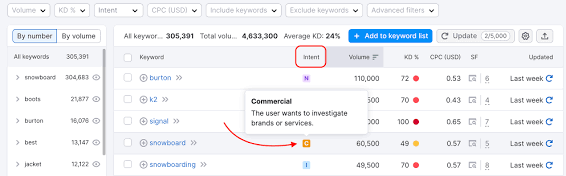
Semrush functions as an advanced digital marketing suite providing granular data through its Keyword Magic Tool and position tracking dashboards. The software identifies keyword cannibalization, executes competitive gap analyses, and uncovers hidden search terms by integrating directly with Google Analytics.
Source: Semrush
Semrush sits on the opposite end of the spectrum from simplistic, entry-level applications. It is a massive, highly technical powerhouse designed specifically for advanced SEO practitioners. The sheer volume of features sets Semrush completely apart from standard market offerings.
Deep Analytical Features
The standard Keyword Overview provides immediate high-level insights, but the true power lies within the Keyword Magic Tool. This feature facilitates vast, exploratory research, allowing marketers to sift through millions of related queries using ultra-specific match modifiers.
Beyond standard discovery, Semrush functions as an overarching administrative platform. You can utilize the Keyword Manager to organize vast lists of terms and execute daily position tracking to monitor your exact SERP rankings. The software actively monitors your site architecture, generating keyword cannibalization reports to warn you if two of your own pages are fighting each other for the exact same search term.
Furthermore, the Organic Traffic Insights feature solves one of the most frustrating problems in modern SEO. By connecting Semrush directly to your Google Analytics and Google Search Console accounts, the software strips away privacy filters to reveal the notoriously hidden "not provided" keywords driving traffic to your domain.
AI and Content Optimization
Semrush bridges the gap between raw data and actual writing. The SEO Content Template tool generates automated content briefs based on your target phrase. As you type, the software grades your draft in real-time.
A visual bullseye graphic dictates whether your text possesses the correct tone of voice, readability level, and originality. The system visually checks off specific recommendations, prompting you to insert related phrases or embed relevant outbound links.
The platform also leverages an integrated Copilot AI. This system functions as an automated digital assistant, proactively scanning your website data. It instantly flags sudden ranking drops, fires off technical SEO alerts, and recommends specific data optimizations without requiring manual input.