



December 15, 2025
5 min read
Team

Waze Finally Tests Traffic Lights on Routes: A Game-Changer for Urban Navigation?

Waze is testing a new feature that displays traffic lights directly along your route. Learn how this update could improve city driving, reduce confusion, and change the future of navigation apps.

waze
Share this article:
Waze Finally Tests Traffic Lights on Routes: A Game-Changer for Urban Navigation?

For years, Waze has been the go-to app for outsmarting traffic, dodging potholes, and finding the fastest route from A to B. Its community-driven data is legendary. But there's one crucial piece of real-world information that has been consistently missing from its maps: traffic lights.

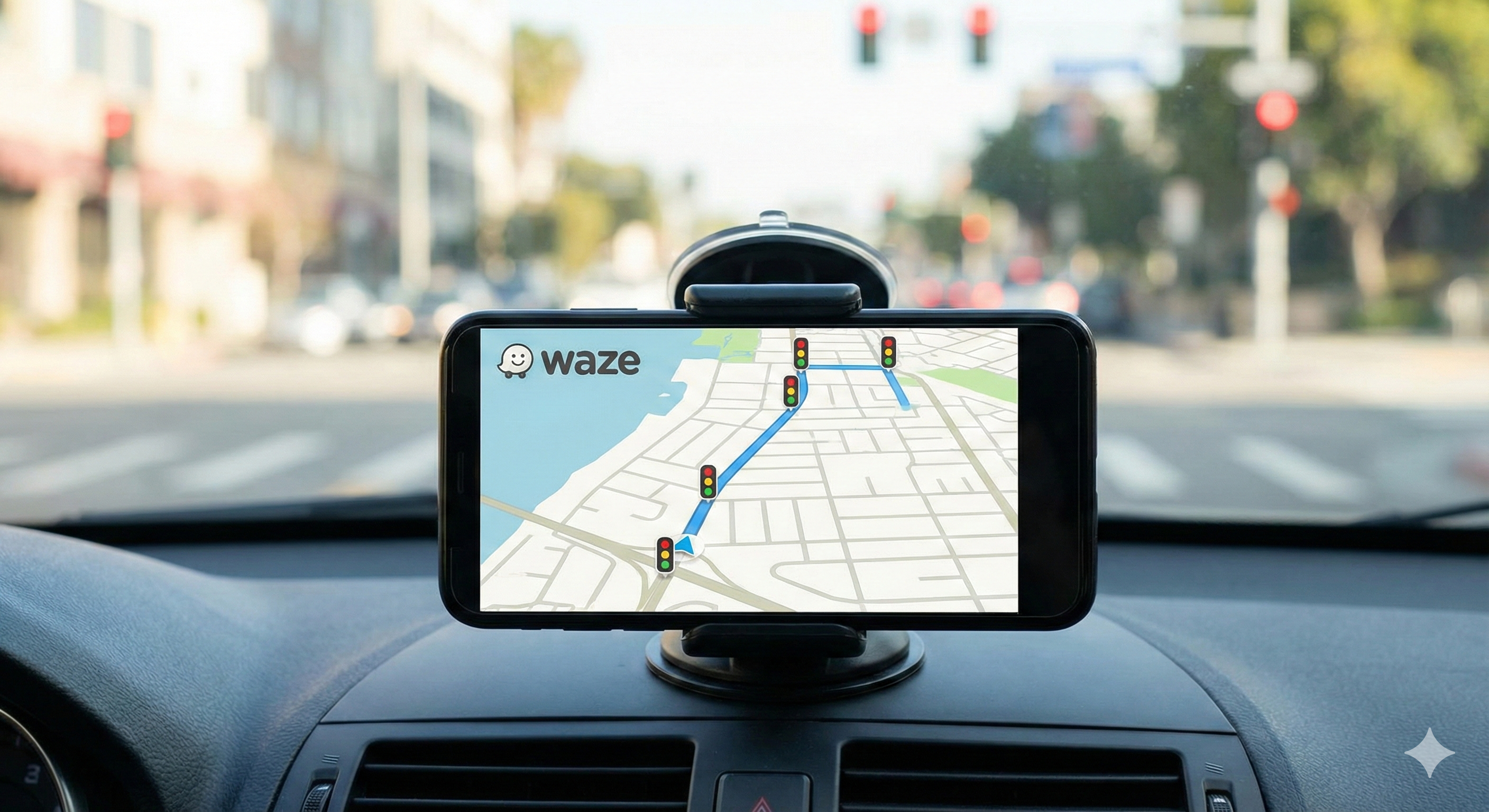
That appears to be changing. According to a new report from 9to5Google, Waze is currently testing support for showing traffic lights along your route.

This isn't just a minor visual tweak. For millions of daily drivers especially those navigating dense, unfamiliar city streets this is a potentially game-changing update that addresses a long-standing point of friction in the Waze experience.

How the New Waze Traffic Light Feature Works

The feature is currently in a limited test phase, but early reports give us a clear picture of how it functions.

  • Visual Markers on the Map: As you drive, small traffic light icons will appear on the map at the exact location of signalized intersections along your planned route.
  • Enhanced Intersection Clarity: This visual cue is designed to help drivers prepare for intersections, especially in complex urban environments where multiple streets converge or where visibility of the actual lights might be obscured by trucks or buildings.
  • Integration with Navigation: The traffic light indicators will likely work in tandem with Waze's existing turn-by-turn instructions and lane guidance, providing a more complete and confident picture of upcoming maneuvers.

Why This Feature Is a Big Deal for Drivers

For a navigation app built on the promise of reducing driving stress, the absence of traffic lights has always been a strange omission. Here’s why this update matters:

1. Reduced Confusion at Complex Intersections

We’ve all been there: approaching a confusing five-way intersection in a new city, unsure which light governs which lane. By placing a traffic light icon precisely on the map, Waze confirms the layout, helping you make the right decision without second-guessing.

2. Better Preparation for "Waze Detours"

Waze is famous for routing drivers off highways and through side streets to save a few minutes. While effective, these detours can feel unpredictable. Seeing the number and location of traffic lights on a suggested side-street route gives drivers a better sense of the "flow" of that detour before they commit to it.

3. Catching Up to Competitors

Apple Maps has displayed stop signs and traffic lights for some time, a feature that has been widely praised for its utility. Google Maps (which owns Waze) has also been steadily adding this data. This move brings Waze up to par with its primary competitors, ensuring its dedicated user base doesn't feel left behind on core navigation features.

The Future: Could This Lead to "Green Wave" Routing?

While the current test only shows the location of the lights, it opens the door to a much more exciting future possibility.

If Waze can successfully map the location of every traffic light, the next logical step is to integrate real-world, real-time signal data from municipalities. This could lead to "Green Light Optimization" (GLO)—where Waze doesn't just find the route with the least traffic, but the route where you are most likely to hit a "green wave" of consecutive lights.

Imagine a navigation app that tells you to travel at a specific speed to catch every green light on a major avenue. That would be the ultimate ETA hack, and this new feature is the foundation for building it.

The Takeaway for New Startups

Waze's continuous innovation serves as a powerful reminder for any founder in the location or mobility space: The bar for a "minimum viable product" in navigation is incredibly high.

New entrants cannot just offer basic maps. They need to provide hyper-local, specialized data that incumbents like Waze and Google Maps miss. Whether it's detailed curbside data for delivery drivers, accessible routes for micromobility, or hyper-niche mapping for specific industries, success lies in the details.


Launching a product that is solving a unique problem?

Get it in front of a community of early adopters, founders, and makers who appreciate innovation.

Submit your startup to Whatlaunched.today. It takes less than a minute to get listed on our curated, no-noise feed.

👉 Submit Your Product Now

Published on December 15, 2025

By WhatLaunched Team