




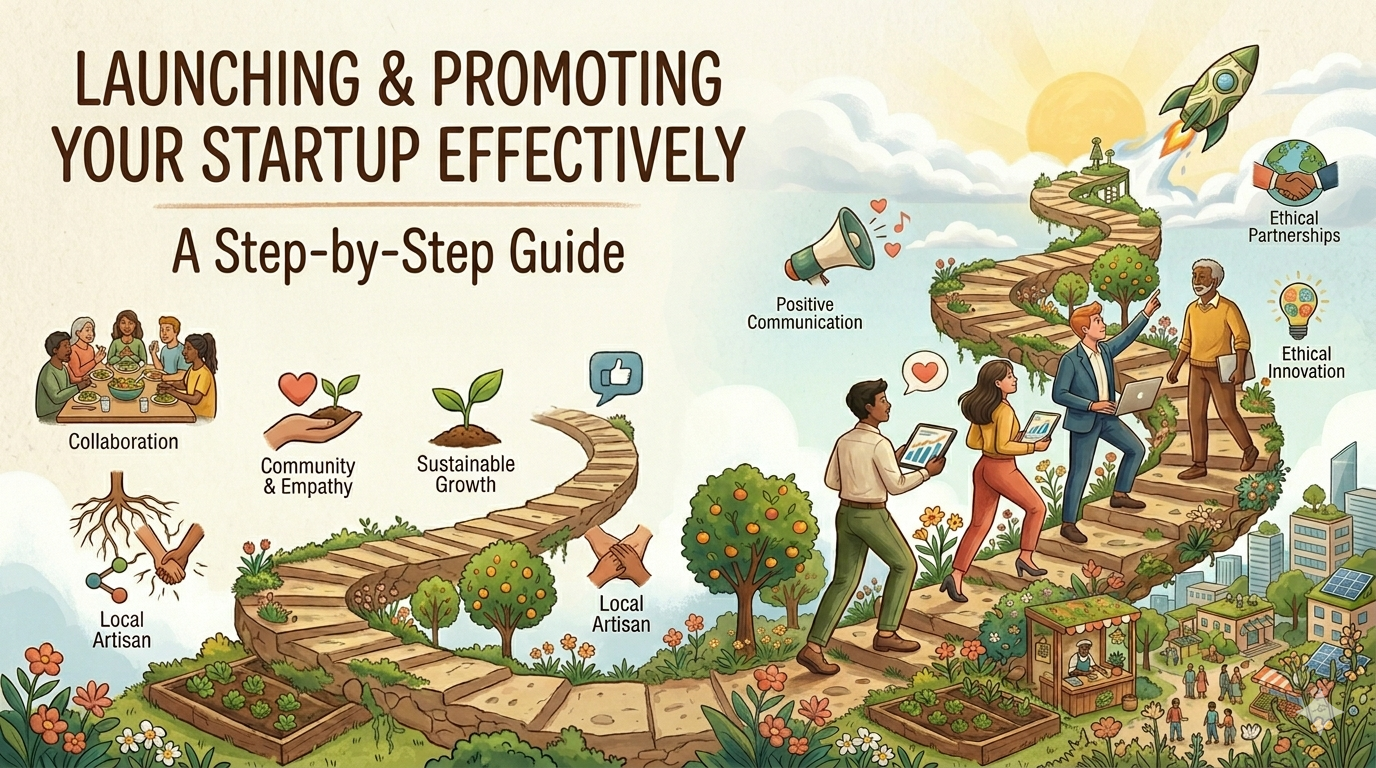
Here’s the deal: launching a startup is one part big idea, two parts smart execution. The difference between a fizzle and a firework launch isn't magic. It's a plan built on a rock-solid foundation.
The most effective approach involves three phases: first, validating your idea and building an audience before you launch. Second, executing a coordinated launch day that makes an impact. Third, maintaining momentum with a marketing plan that mixes long-term growth (like SEO) with quick wins (like paid ads).
Let's break down the essential steps to get you there.
Pre-Launch Essentials: Building Your Runway
The quiet work you do before launch day often determines its success. The goal here is to build momentum so you launch to an audience, not for one.
- Validate Your Idea: Before writing a line of code or ordering inventory, test your core assumptions. Create a simple landing page that explains your value proposition and includes an email sign-up form. Run a small ad campaign driving traffic to it. If people sign up for a product that doesn't exist yet, you're onto something. This "smoke test" can save you months of building the wrong thing.
- Build a Waitlist: Use tools like KickoffLabs or a simple form on your landing page to create a pre-launch email list. Offer an incentive for signing up early, like a lifetime discount, exclusive access, or a bonus feature. This list is your single most valuable asset on launch day.
The Startup Launch Checklist: From Countdown to Liftoff
With a validated idea and a budding audience, it's time to build out your launch plan. Treat it like a mission with distinct phases.
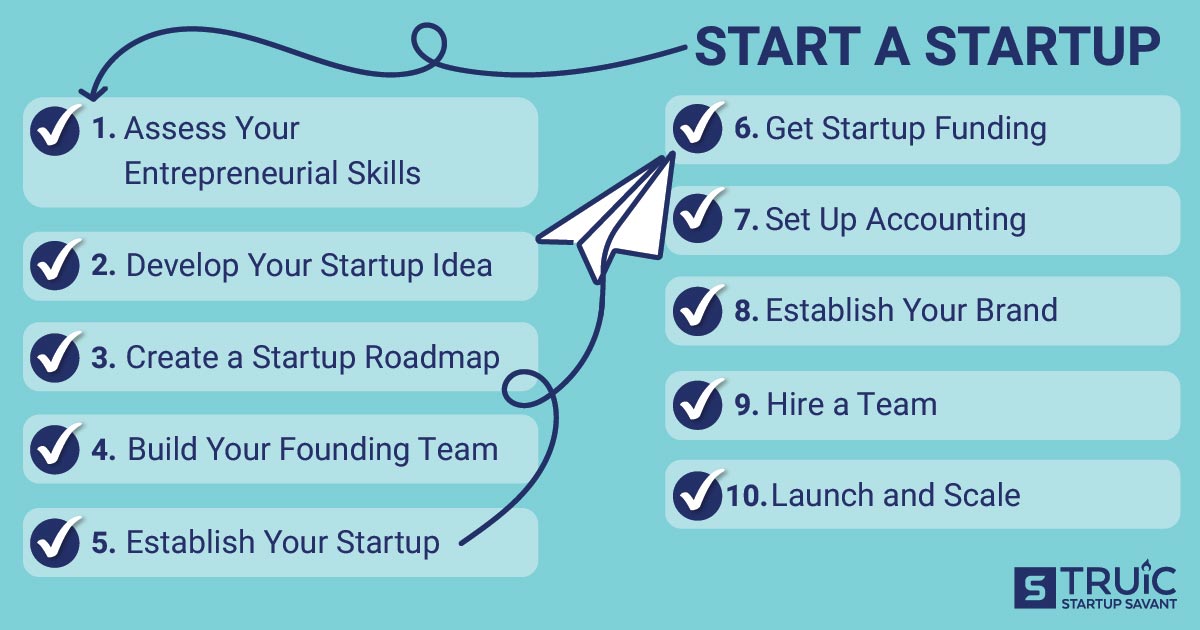
Phase 1: The 90-Day Countdown (Pre-Launch)
This phase is about building your foundation and preparing your assets.
- Secure Your Funding: You can't build a rocket ship on pocket change. While some founders successfully bootstrap (self-fund), most need capital for hiring, product development, and marketing. Beyond venture capital, consider powerful options like government-backed SBA loans or exploring banking partners with dedicated startup divisions.
| Loan Type | Best For | Typical Amount | Key Feature |
|---|---|---|---|
| SBA 7(a) Loans | General working capital, equipment, and real estate | Up to $5 million | The most common and flexible SBA loan. |
| SBA 504 Loans | Major fixed assets like real estate or large equipment | Up to $5.5 million | Long-term, fixed-rate financing for big purchases. |
| SBA Microloans | Startups needing smaller capital for inventory or supplies | Up to $50,000 | Accessible for new businesses with minimal collateral. |
- Build Your Digital Foundation: Your website is your digital headquarters. A professional Website Design isn't a luxury; it's a core requirement for credibility. Focus on a mobile-first design, fast loading speeds (under 3 seconds), and an intuitive user experience (UX).
- Define Your Messaging: Nail down your value proposition, target audience, and brand voice. Create a press kit with your company story, founder bios, logos, and high-quality product images.
- Set Up Analytics: Install Google Analytics and set up Google Search Console. You can't improve what you don't measure. Track goals like email sign-ups or demo requests from day one.
- Prepare Marketing Content: Write your launch day emails, social media announcements, and at least three foundational blog posts that you can promote immediately.
Phase 2: T-Minus 24 Hours (Launch Day Execution)
The goal of launch day is a coordinated push across all your channels.
- "Go Live": Push your website from "coming soon" to live. Double-check all links, forms, and the checkout process.
- Email Your Waitlist: Send a launch announcement to your email list first. They are your warmest audience—reward them with the early access or discount you promised.
- Announce on Social Media: Post your launch announcement across your chosen social platforms. Use your prepared assets and be ready to engage with comments and questions in real-time.
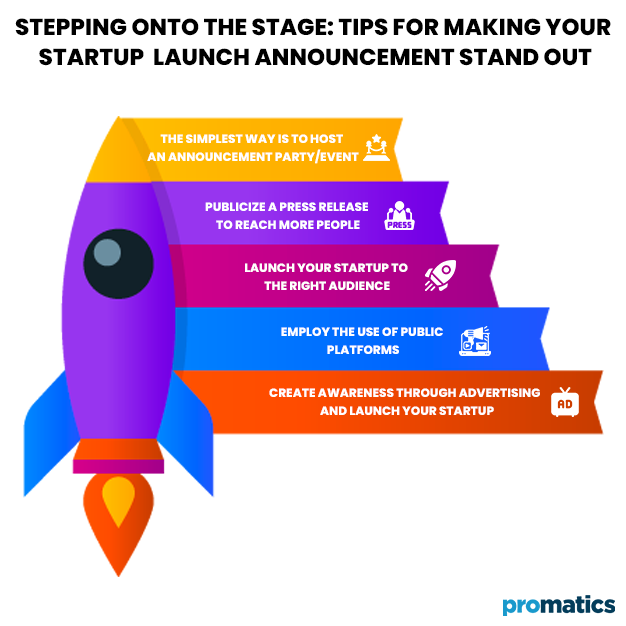
- Execute Your PR Push: If you're targeting media, send your press release or personalized pitches to your list of journalists and influencers.
- Launch on Discovery Platforms: For tech products, a launch on a site like Whatlaunchedtoday can drive a massive wave of initial traffic and feedback from early adopters.
Phase 3: The First 30 Days (Post-Launch Momentum)
The launch isn't the finish line; it's the starting gun.
- Gather Feedback: Actively solicit feedback from your first users. Use surveys, emails, and calls to understand their experience.
- Showcase Social Proof: As positive reviews and testimonials come in, feature them prominently on your website and social media.
- Analyze Early Data: Dive into your analytics. Where is your traffic coming from? Which channels are converting? Use this data to double down on what's working.
- Engage and Nurture: Continue publishing helpful content and emailing your list. The goal is to convert initial interest into a loyal community.
Post-Launch Promotion: 10 Effective Marketing Strategies
With your foundation in place, it's time to drive sustainable traffic. Master one or two of these channels before expanding.
- Search Engine Optimization (SEO): The long-term play. SEO is about signaling to Google that you are the most relevant answer to a customer's question. Start by targeting "long-tail keywords" (3+ word phrases) with high purchase intent.
- Pay-Per-Click (PPC) Advertising: The fast-feedback loop. PPC on platforms like Google Ads delivers instant, targeted traffic. It’s perfect for testing your messaging and generating early sales while your SEO matures.
- Content Marketing: The trust-builder. Solve your audience's problems with blog posts, guides, and videos. This builds authority and generates highly qualified leads.
- Targeted Social Media Marketing: The community-builder. Focus on the one or two platforms where your ideal customers are most active, whether that's LinkedIn for B2B or Instagram for visual D2C brands.
- Niche Community Engagement: The authentic connection. Find where your audience gathers online—a subreddit, a Slack channel, a niche forum. Follow the 9-to-1 rule: for every one self-promotional action, make nine genuine, helpful contributions.
- Email Marketing: The owned channel. Your email list is an asset you control, free from algorithm changes. It consistently delivers the highest ROI of any marketing channel.
- Public Relations (PR) & Media Outreach: The credibility-booster. Getting featured in an industry publication or blog provides a powerful third-party endorsement. Start by building relationships with relevant journalists long before you pitch them.
- Affiliate & Partnership Marketing: The force-multiplier. Partner with complementary businesses or influencers who can promote your product to their existing audience in exchange for a commission.
- Proactive Reputation Management: The trust-protector. Actively encourage happy customers to leave reviews on sites like G2 or Trustpilot and respond professionally to all feedback, both positive and negative.
- Google Local Service Ads: The secret weapon for local businesses. For service-based startups, these ads appear at the very top of search results and come with a "Google Guaranteed" badge that builds instant trust.