




What Launched Today

25 Pre-Seed & Seed Stage Startups with Breakout Potential This Year

Published on June 24, 2026

Explore our list of the 25 top pre-seed & seed stage startups to watch. We analyze companies with breakout potential in AI, FinTech, SaaS, and health this year.

A startup's funding stages are distinct phases of growth, each marked by different milestones, team sizes, and capital requirements. This roadmap—from Pre-Seed to Series D and beyond—charts a company's journey from a raw idea to a scalable enterprise. Each financing round validates progress and fuels the next phase of development.

Understanding these stages is crucial for anyone in the startup ecosystem. For founders, it dictates strategy. For investors, it frames risk and reward. For potential employees, it defines the work environment, level of responsibility, and potential upside.

This guide focuses on the seed stage—the critical period where a great idea must prove it can become a great business. We will define what a seed-stage company is, highlight the key trends shaping the market, and present our curated list of the most promising seed-stage startups to watch.

What You’ll Find Inside:

  • A Clear Definition: What separates a seed-stage startup from pre-seed and Series A?
  • Curated List of Startups: Our picks for the most promising ventures, categorized by industry.
  • Key Investment Trends: Discover the forces driving capital allocation this year.
  • Actionable Evaluation Frameworks: How to assess a seed-stage company as an investor or a potential employee.
  • Pros & Cons of Joining: Is a seed-stage startup the right career move for you?

What is a Seed Stage Startup?

A seed-stage startup is an early-phase company that has moved beyond a pure concept, built a minimum viable product (MVP), and is now singularly focused on achieving product-market fit. This stage sits between the conceptual pre-seed phase and the growth-oriented Series A round, representing the first serious institutional test of a business model.

Seed-stage companies have typically graduated from "friends and family" funding or a small pre-seed check. They are now deploying more substantial capital, often between $1 million and $5 million, to achieve concrete goals. The primary objective is to find a repeatable, scalable way to acquire and retain customers. This involves validating core hypotheses, acquiring the first cohort of real users, and gathering the data that proves their solution solves a painful problem.

The team is lean and agile, usually between 2 to 10 people, with founders deeply involved in every aspect of the business. The ultimate goal is to generate enough traction—be it monthly recurring revenue (MRR), user growth, or strong engagement metrics—to build a compelling case for a larger Series A round.

Funding Stage Primary Focus & Key Milestones Typical Funding Size Key Investors & Capital Sources
Pre-Seed Idea Validation: Solidifying the core concept, building a prototype, and conducting initial customer discovery interviews. $100k - $2M+ Founders, Friends & Family, Angel Investors, Accelerators (e.g., Y Combinator, Techstars)
Seed Product-Market Fit: Developing an MVP, acquiring the first 10-100 customers, and gathering data to prove a repeatable business model. $1M - $5M Angel Investors, Micro-VCS, Seed-focused Venture Capital Funds, Corporate VCs
Series A Scaling & Optimization: Building out the sales and marketing engine, refining the go-to-market strategy, and expanding the team to capture a larger market share. $5M - $20M Traditional Venture Capital Firms, Growth Equity Firms

Our Methodology: How We Identified the Top Early Stage Startups to Watch

Our selection process combines quantitative funding data with qualitative signals of market resonance, team strength, and technological innovation. We analyzed thousands of companies to identify those with the highest probability of breakout success, moving beyond simple funding announcements to assess true underlying momentum.

Our core criteria include:

  • Problem & Market Size: The company must be tackling a large, urgent, and expensive problem in a significant and growing market. We look for solutions to "hair-on-fire" problems, not just minor inconveniences.
  • Founder-Market Fit: We looked for founding teams with deep domain expertise, a demonstrated ability to execute, and the resilience required for early-stage challenges.
  • Traction & Momentum: We prioritized companies showing clear, early signals of product-market fit. This could be rapid user adoption, successful pilot programs with notable customers, or passionate community engagement.
  • Investor Quality & Validation: The backing of reputable seed-stage VCs, respected angel investors, or top-tier incubators serves as a strong validation signal, indicating the company has passed a rigorous due diligence process.
  • Technological Moat or Unique Insight: The startup must have an innovative technology, a unique business model, or a non-obvious insight that creates a durable competitive advantage.

To build this list, we synthesized data from leading platforms like the YC Startup Directory, Crunchbase, and Dealroom, cross-referencing it with insights from niche startup directories to uncover the ventures poised to define the next wave of innovation.
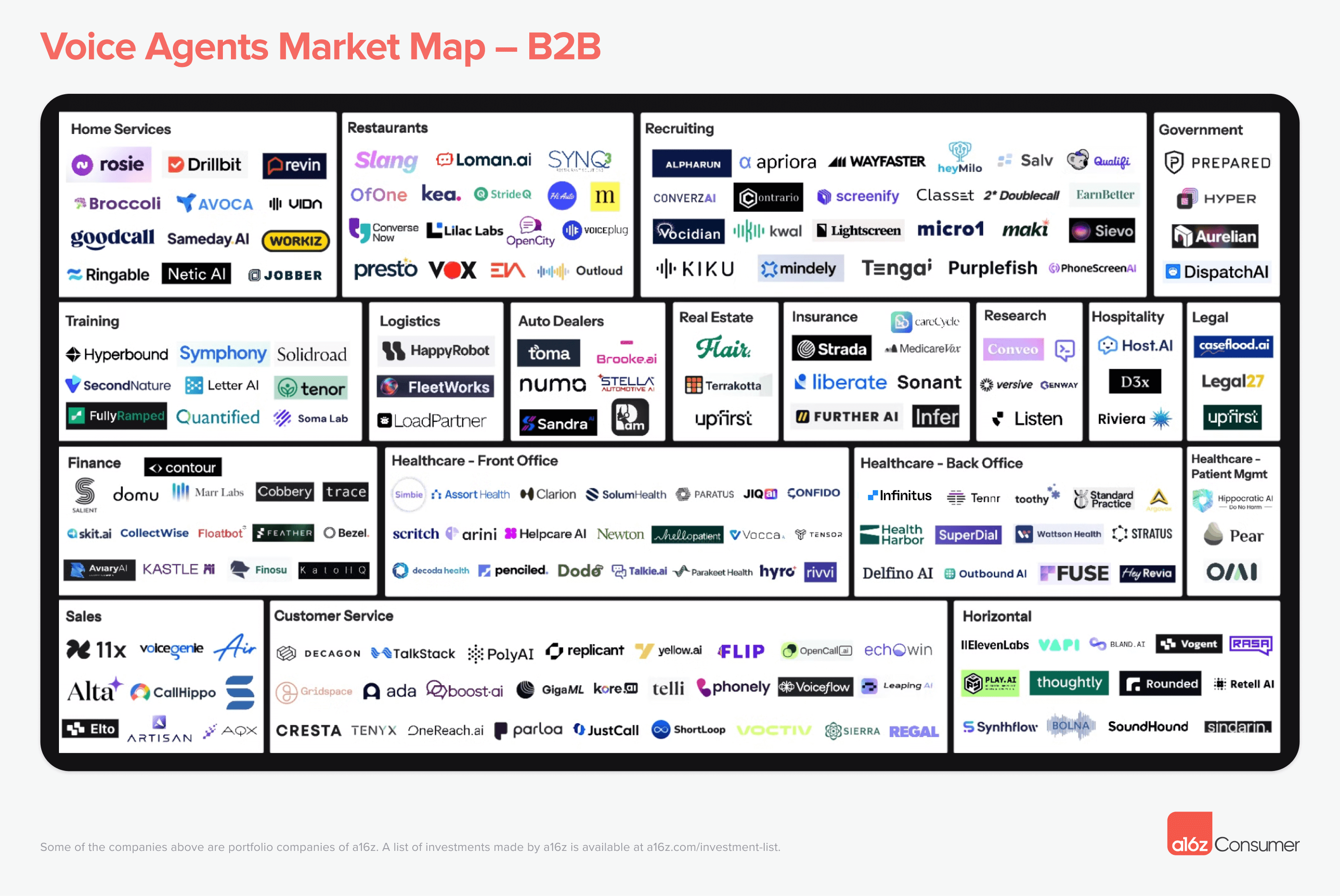
A chart showing the different stages of startup funding from pre-seed to Series A.

Source: substackcdn.com

Top Seed Stage Startups to Watch in 2026

Here is our definitive list of pre-seed and seed stage companies demonstrating breakout potential, categorized by the high-impact sectors they are transforming.

Category 1: AI and Automation

AI startups are reshaping industries by embedding intelligence into core workflows, moving from theoretical applications to practical, value-creating tools that drive efficiency and unlock new capabilities.

1. ActionAI

  • Problem: Businesses struggle to implement AI solutions that deliver tangible financial results, often getting stuck in pilot projects.
  • Solution: A platform providing AI-driven agents and workflows to automate high-value business operations like customer support and sales qualification.
  • Why they're on the list: Based in the growing New York AI hub, ActionAI’s focus on tangible business outcomes makes it a practical choice for enterprises looking for immediate ROI.

2. Creao AI

  • Problem: Creating high-quality, diverse digital content (images, videos, 3D models) is slow, expensive, and requires specialized skills.
  • Solution: A generative AI platform for enterprise teams to create and edit unique digital assets using text prompts, ensuring brand consistency.
  • Why they're on the list: Located in Silicon Valley, Creao AI is tapping into the explosive growth of the creator economy. Its technology solves a core content creation bottleneck, as companies like Google push the boundaries with models like their Gemini Omni video AI generator.

3. Relai.ai

  • Problem: Identifying the root cause of failures in complex, distributed software systems is increasingly difficult.
  • Solution: An AI-powered reliability engineering platform that proactively detects anomalies, predicts potential failures, and provides automated root cause analysis.
  • Why they're on the list: System stability is a multi-billion dollar problem. Relai.ai's focus on this deep technical challenge gives it a strong moat in the enterprise software market, attracting clients in finance and e-commerce who cannot afford downtime.

Category 2: FinTech & Embedded Finance

FinTech innovation continues to focus on infrastructure and compliance, making financial services more seamless and accessible for the next generation of transactions and operations.

4. Pillar

  • Problem: Cross-border e-commerce businesses face a complex web of payment gateways, currency conversions, and international tax compliance.
  • Solution: An all-in-one financial operations platform that unifies international payments, currency exchange, and compliance reporting.
  • Why they're on the list: Based in New York, Pillar is building a robust "financial OS" for cross-border businesses, addressing a massive and growing need in our increasingly globalized economy.

5. HYFIX Spatial Intelligence

  • Problem: Standard GPS is not accurate enough for emerging technologies like autonomous vehicles and delivery drones.
  • Solution: A global network that provides high-precision, centimeter-level location data as a service via the cloud.
  • Why they're on the list: HYFIX provides critical infrastructure for the next generation of mobility and automation, enabling use cases in insurance, logistics, and agriculture.

6. Elastics

  • Problem: Financial institutions need to run complex risk models on massive datasets, but legacy infrastructure is slow and insecure.
  • Solution: A FinTech platform using confidential computing and AI for secure data analysis and model training.
  • Why they're on the list: With a $2M pre-seed round, Elastics is tackling core issues of data security and risk management in finance, indicating strong early investor confidence in its B2B solution.

7. Global Settlement Network

  • Problem: Traditional international financial settlements are slow, expensive, and opaque.
  • Solution: A blockchain-based B2B software platform for facilitating instant, low-cost international financial settlements.
  • Why they're on the list: With an impressive $11M pre-seed round, this UAE-based startup is aiming to overhaul a legacy system, giving it enormous growth potential, particularly in emerging markets.

8. JobsUPI

  • Problem: Managing payments, invoices, and compliance for thousands of workers in freelance and gig marketplaces is a logistical nightmare.
  • Solution: A marketplace that embeds instant payments and compliance tools directly into the human resources workflow.
  • Why they're on the list: This Indian startup is a prime example of embedded finance. By building payment infrastructure directly into the hiring process, it solves a key friction point for a massive, high-volume market.
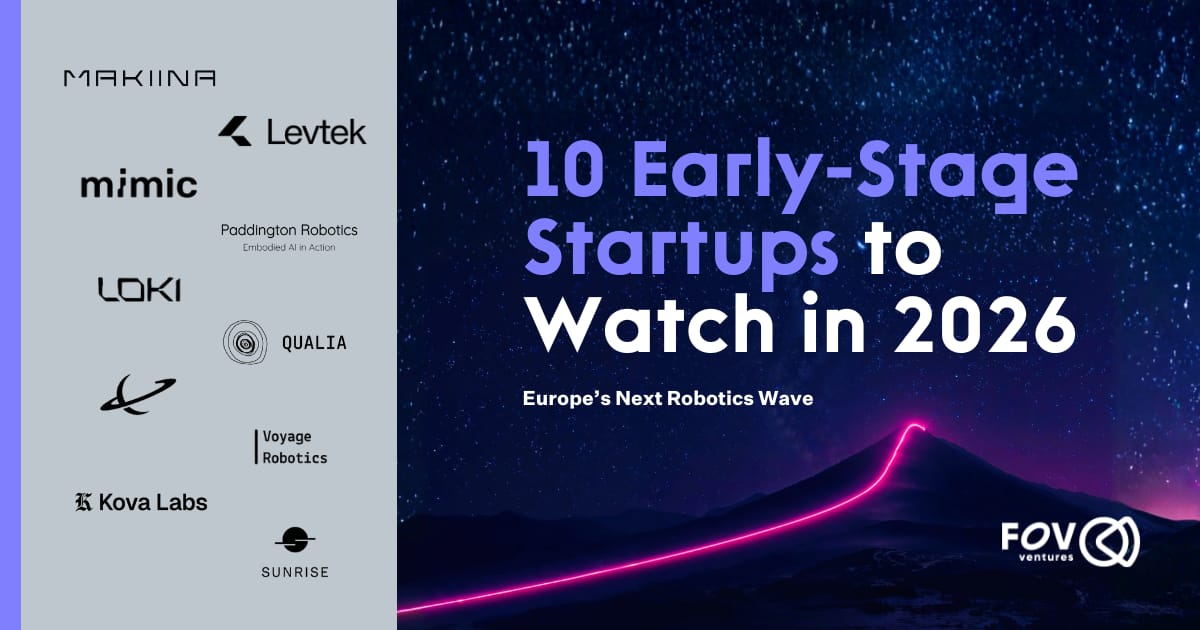
An illustration representing the top early-stage startups to watch in 2026.

Source: media.beehiiv.com

Category 3: The Future of Work & B2B SaaS

These startups are building the essential tools that define how modern businesses collaborate, operate, and scale in a distributed, digital-first world.

9. Boom

  • Problem: The construction industry still relies on paper-based processes, leading to delays and cost overruns.
  • Solution: A mobile-first B2B platform for the construction industry that streamlines project management and communication.
  • Why they're on the list: Based in San Francisco, Boom is tackling a massive, underserved vertical with a modern SaaS solution. It's showing early signs of becoming the go-to platform for general contractors.

10. Gravity

  • Problem: Businesses collect more data than ever but lack the tools to easily turn that data into actionable insights.
  • Solution: An information services platform that uses AI to automatically analyze business data and surface trends in plain language.
  • Why they're on the list: In an era of data overload, clarity is a competitive advantage. Gravity's solution empowers non-technical leaders to make better, data-driven decisions, often starting with a simple query, not unlike using an AI prompt generator to get started.

11. GetWhys

  • Problem: Companies struggle to understand the qualitative reasons ("the why") behind customer behavior.
  • Solution: An IT service that uses AI to analyze customer feedback from surveys, support tickets, and reviews to identify underlying themes.
  • Why they're on the list: This deep customer understanding is a competitive advantage for any company, making their tool a must-have for product and marketing teams seeking qualitative insights at scale.

12. SpotGenius

  • Problem: Finding available parking for commercial fleets in dense urban areas is inefficient and costly.
  • Solution: A SaaS marketplace that connects commercial fleet operators with underutilized private parking spots.
  • Why they're on the list: SpotGenius is a great example of a startup solving a tangible, real-world problem with software, with a clear path to revenue and a large, well-defined addressable market.

13. Uplane

  • Problem: Small and medium-sized businesses struggle to manage their IT infrastructure and cybersecurity threats.
  • Solution: A subscription-based IT services platform providing remote device management and cybersecurity monitoring for SMBs.
  • Why they're on the list: Its "IT-department-as-a-service" model allows it to serve a massive, underserved market with a recurring revenue model, a proven strategy for growth.

Category 4: Health, Wellness & Bio

From diagnostics to chronic care management, these companies are tackling some of humanity's biggest challenges with innovative solutions focused on personalization and accessibility.

14. TAVRA Biosciences

  • Problem: Developing new cancer therapies is incredibly slow and expensive, with a high failure rate in clinical trials.
  • Solution: A biotechnology startup using a novel platform to more accurately model diseases and test the efficacy of new drug candidates.
  • Why they're on the list: TAVRA's seed funding indicates its core science has passed a significant diligence hurdle. Success in this space can lead to transformative outcomes for patients and massive value creation.

15. Wavelet Medical

  • Problem: Monitoring chronic conditions like heart disease often requires invasive procedures or clunky devices.
  • Solution: A medical device company developing a non-invasive wearable sensor that continuously monitors key biomarkers.
  • Why they're on the list: Based in a biotech hub in New Haven, Wavelet Medical is innovating at the intersection of hardware and health. Medical devices have long development cycles but can build incredibly strong, patent-protected moats.

16. Crowned Skin

  • Problem: Consumers are overwhelmed by skincare options and seek personalized, effective solutions.
  • Solution: A D2C wellness company that uses an online quiz and AI photo analysis to create custom-formulated skincare products.
  • Why they're on the list: By combining personalization with a subscription model, Crowned Skin is positioned to build a loyal community with high customer lifetime value in the massive wellness industry.

17. VitalCare

  • Problem: Individuals lack accessible and engaging tools to proactively manage their mental and physical wellness.
  • Solution: A digital health platform providing personalized coaching, content, and tools to help users manage stress and build healthy habits.
  • Why they're on the list: Positioned in Utah's "Silicon Slopes," VitalCare is tapping into growing consumer and enterprise demand for proactive health tools, with a scalable B2B2C distribution channel.

18. Kin Veterinary Emergency and Specialty Center

  • Problem: The traditional veterinary experience is often stressful for pets and owners, with long wait times and inefficient processes.
  • Solution: A tech-enabled veterinary clinic using proprietary software to streamline appointments, communication, and medical records.
  • Why they're on the list: The pet care industry is a booming, recession-resistant market. Kin Vet is a services business with a strong technology moat, using software to improve client experience and efficiency.

Category 5: Niche Industries & Marketplaces

This category highlights startups applying modern technology to overlooked industries that represent massive economic value, from sports to marine engineering.

19. BASE Sports Group

  • Problem: Amateur and youth sports organizations lack the tools for professional-level marketing and fundraising.
  • Solution: A marketing platform that connects brands with youth sports leagues for sponsorship opportunities.
  • Why they're on the list: The youth sports industry is a multi-billion dollar market. BASE Sports Group can build unparalleled domain expertise and network effects, becoming the essential platform for this ecosystem.

20. GameRun

  • Problem: Independent game developers struggle to test games, gather player feedback, and manage communities.
  • Solution: An AI-powered platform that provides automated game testing, player analytics, and community management tools.
  • Why they're on the list: Gaming is larger than the movie and music industries combined. GameRun is providing essential "picks and shovels" for this massive market, positioning itself as a key infrastructure player.

21. Zydro Marine Technologies

  • Problem: Marine shipping and port operations are inefficient and produce significant carbon emissions.
  • Solution: An industrial IoT and AI company developing sensor technology and software to optimize vessel performance and fuel consumption.
  • Why they're on the list: This is a deep-tech play in a heavy industry ripe for disruption. Success can create a powerful, lasting business with a positive environmental and financial impact.

22. Lucille Health

  • Problem: Consumers want healthier, sustainable food options, but the food supply chain is opaque.
  • Solution: A food production startup using technology like vertical farming to create sustainable food products with a transparent supply chain.
  • Why they're on the list: Consumer preferences are shifting dramatically towards sustainable food. Lucille Health is riding this massive wave, with a product and story that resonates with a new generation of conscious consumers.

23. General Robotics

  • Problem: Most industrial robots are highly specialized and can only perform one task, making them inflexible and expensive.
  • Solution: A company building versatile, AI-powered robotic arms that can be quickly trained to perform a variety of tasks.
  • Why they're on the list: General Robotics is tackling the "holy grail" of creating general-purpose robots. This is a long-term, ambitious vision that could have an impact on par with the personal computer.

Key Trends in Seed-Stage Investing This Year

The landscape for seed-stage investing is constantly evolving. This year, several key trends are defining which startups get funded and where capital is flowing.

  1. Vertical AI (VAI): General-purpose AI is a commodity. The real value is in applying AI to specific industry problems. Companies like Boom (construction) are training specialized models on proprietary data to create defensible moats. The demand for creative AI is also exploding, with tools like a celebrity AI video generator showing market viability.
  2. Developer-Centric Tooling: The productivity of software engineers remains a top priority. Startups creating tools that improve the developer workflow—from coding to deployment—are attracting significant investment. Companies like Relai.ai fit this trend.
  3. Climate Tech and Sustainability: Addressing climate change is a global priority, and venture capital is following. Seed funding is pouring into renewable energy, carbon capture, and supply chain efficiency. Startups like Zydro Marine Technologies show that financial returns and positive environmental impact can go hand-in-hand.
  4. The Shift to Capital Efficiency: The "growth at all costs" era has passed. Investors now look for startups with a clear path to profitability and strong unit economics, even at the seed stage. Founders must demonstrate both customer love and a sustainable business model.

How to Evaluate a Seed-Stage Company (For Investors and Job Seekers)

Whether you're considering investing or accepting a job offer, evaluating a seed-stage startup requires a structured framework to assess both the opportunity and the risks.

For Potential Investors: The 5-T Framework

Angel investors and VCs often use this framework to assess deals quickly:

  1. Team: Is this the right team to solve this problem? Look for founder-market fit, technical expertise, and resilience.
  2. TAM (Total Addressable Market): How big is the potential market? Is it a multi-billion dollar opportunity, and is it growing?
  3. Technology/Product: Is the product differentiated? Does it have a technological moat or a unique insight that is hard to replicate?
  4. Traction: What has the team accomplished? Look for early evidence of product-market fit: user growth, engagement metrics, pilot contracts, or revenue.
  5. Terms: Are the deal terms fair? Assess the valuation, the amount being raised, and how it aligns with the company's traction and market size.

For Potential Employees: The M.O.R.E. Checklist

Joining a seed-stage startup is an investment of your time and career. Use this checklist to diligence the opportunity:

  1. Mission & Culture: Do you believe in what the company is building? Does the culture align with your personal values and work style?
  2. Opportunity & Role: Will this role allow you to grow your skills and career? Is there a clear path for advancement?
  3. Runway & Economics: Ask the tough questions. How much runway (months of cash) do they have? What is the salary and equity package, and what percentage of the company does it represent?
  4. Execution & Leadership: Do the founders have a clear vision and a credible plan? Are they transparent with the team about challenges and successes?

Joining a Seed Stage Startup: Is It Right for You?

Joining a seed-stage startup is a high-risk, high-reward career move that offers immense learning and impact in exchange for stability. It's a role best suited for individuals who are adaptable, proactive, and thrive in ambiguity. You aren't just a cog in a machine; you are one of the builders of the machine itself.

Aspect Pros (The Upside) Cons (The Downside)
Impact Your work directly influences the product and company trajectory. High ownership and autonomy. Lack of established processes can lead to chaos. Priorities can shift daily.
Learning Exposure to all parts of the business. You'll "wear many hats" and learn incredibly fast. Less formal mentorship and training. You often have to "learn by doing."
Compensation Significant equity potential. If the company succeeds, the upside can be life-changing. Lower base salary compared to established tech companies. Equity may end up being worthless.
Culture A close-knit team, direct access to founders, and a strong, shared sense of mission. Long hours are often the norm. The line between work and life can be blurry.

How to Find More Seed Stage Startup Companies

Finding promising seed-stage companies requires using a mix of public databases, accelerator portfolios, and niche community platforms. Proactively searching these sources allows you to discover startups long before they hit the mainstream.

Here’s where to look:

  1. Incubator & Accelerator Directories: The YC Startup Directory from Y Combinator is the gold standard. Similarly, exploring the public portfolios of programs like Techstars and 500 Global will reveal hundreds of vetted, high-potential companies.
  2. Funding Databases: Platforms like Crunchbase, PitchBook, and Dealroom are essential tools for tracking recent funding rounds. You can set up alerts for "Seed" or "Pre-Seed" funding to build targeted lists.
  3. Angel & VC Networks: Wellfound (formerly AngelList) remains a classic platform for discovering early-stage companies and connecting with their teams. Following active seed-stage VC firms on social media can also provide real-time updates on their latest investments.
  4. Launch Platforms & Niche Directories: Websites like Product Hunt, BetaList, and WhatLaunched are where founders go to launch their products. These are excellent places to find brand-new startups and get a feel for their products firsthand.

Frequently Asked Questions (FAQ)

What is the typical seed starting time from idea to funding?

The timeline from a raw idea to securing seed funding typically ranges from 6 to 18 months. This period involves validating the concept, building an MVP, acquiring the first users, and gathering enough data to demonstrate early market traction.

Are there startup directories for specific regions like India or USA?

Yes, many startup directories focus on specific geographic regions. In the United States, platforms like Built In cover major tech hubs. In India, organizations like NASSCOM and media portals such as YourStory feature thousands of domestic startups, helping to map the local ecosystem.

What are some compelling seed stage stories of success?

Many of today's tech giants have legendary seed stage stories. Airbnb's founders famously sold politically-themed cereal boxes ("Obama O's") to raise their initial $30,000. Uber began as "UberCab," a simple app to hail one of a few black cars in San Francisco. These stories underscore the resilience and creativity required to turn a small idea into a world-changing company.

How does a seed stage startup differ from a growth stage startup?

A seed-stage startup focuses on finding product-market fit, whereas a growth-stage startup (Series B or later) focuses on aggressively scaling a proven business model. Seed companies are in "search" mode, running experiments with small teams. Growth companies are in "execution" mode, hiring rapidly to build scalable processes and capture market share.

Where does Y Combinator fit in the seed stage ecosystem?

Y Combinator is a prestigious startup accelerator that acts as one of the most influential pre-seed and seed-stage investors in the world. It provides capital in exchange for equity and puts founders through an intensive three-month program. Graduating from YC is a significant stamp of approval, and its public startup directory is a primary source for discovering high-quality startups.

What's the difference between a business startup directory and the "startup directory" in Windows 10?

A business startup directory is a website or database listing new companies for discovery by investors and job seekers. The "startup directory" in Windows 10 is a system folder on your computer that controls which apps run on boot. Their functions are completely unrelated.